Understanding Modern Hair Restoration Options Across Essex and Brentwood
Hair loss can be a gradual experience, often beginning with a receding hairline, thinning crown, or reduced hair density. Although it is a natural process for many individuals, noticeable changes in appearance can influence confidence and personal comfort. Modern hair restoration has introduced several approaches that address different stages of hair loss. Interest in Hair Transplant Essex services reflects the growing demand for professional guidance and personalised treatment options. Understanding the causes, available procedures, and realistic outcomes is essential before making a decision. Careful research helps individuals explore suitable solutions while maintaining informed expectations.
How Modern Hair Transplant Procedures Work
Hair transplantation involves moving healthy hair follicles from a donor area, usually the back or sides of the scalp, to regions affected by thinning or baldness. Before considering Hair Transplant Essex treatment, individuals generally undergo a consultation to assess their hair condition, donor hair availability, medical history, and restoration goals. Two commonly discussed methods are Follicular Unit Extraction (FUE) and Follicular Unit Transplantation (FUT). FUE involves extracting individual follicular units, whereas FUT removes a narrow strip of scalp tissue for follicle separation. Each technique has different considerations, making professional assessment important when choosing an appropriate approach.
The Importance of Personalised Hair Restoration Planning
Every individual's hair loss pattern, scalp condition, and expectations are different. Therefore, treatment planning should never follow a standard approach for every patient. Factors such as age, family history, existing hair density, and the progression of hair thinning can influence recommendations. A qualified specialist evaluates these details before suggesting a procedure. Hairline design also deserves attention because it influences the overall appearance of the final result. A carefully planned treatment considers facial proportions, natural hair growth direction, and future hair loss possibilities. This approach supports balanced results rather than focusing solely on increasing hair density.
Why Brentwood Is a Consideration for Hair Restoration
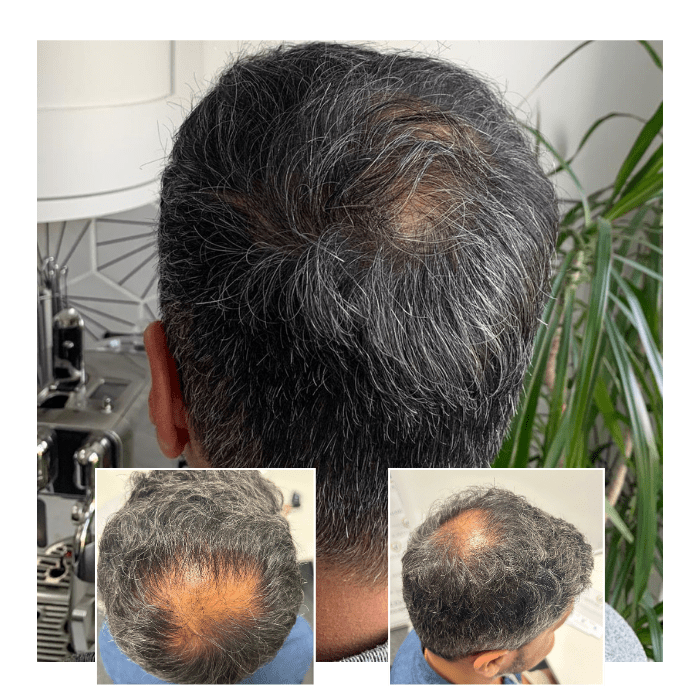
Choosing a suitable location for treatment can make consultations and follow-up appointments more convenient. People exploring hair transplant Brentwood options may benefit from researching available clinics, specialist qualifications, treatment methods, and patient care standards. Location should be considered alongside clinical expertise because convenience alone does not establish treatment quality. A detailed consultation provides an opportunity to understand the procedure, expected recovery period, potential risks, and financial considerations. Patients should also review genuine before-and-after photographs and discuss whether the displayed results are relevant to their individual hair characteristics and restoration requirements.
What to Expect Before and After the Procedure
Preparation is an important part of the hair restoration process. During the initial consultation, specialists usually examine the scalp, discuss medical history, and determine whether the patient is suitable for surgery. Those considering hair transplant Brentwood treatments should ask about medication instructions, smoking restrictions, and other preparation requirements. Following the procedure, mild swelling, redness, scabbing, or temporary discomfort may occur. Transplanted hair commonly sheds during the early recovery stage, which can be concerning but is generally an expected part of the process. New growth develops gradually, and visible improvements may take several months.
Recovery, Results, and Long-Term Expectations
Hair transplantation requires patience because follicles need time to settle and begin producing new hair growth. Initial shedding is often followed by gradual development, with noticeable changes commonly appearing between three and six months. More substantial results may take approximately twelve months or longer, depending on individual circumstances and the procedure performed. During recovery, following aftercare instructions is essential for protecting the transplanted follicles. Excessive physical activity, direct sun exposure, and unnecessary scalp contact may need to be avoided temporarily. Regular follow-up appointments allow specialists to monitor healing and discuss progress throughout the restoration journey.
Choosing a Qualified Hair Restoration Specialist
Selecting an experienced and appropriately qualified medical professional is one of the most important decisions in the treatment process. Patients should investigate the surgeon's credentials, practical experience, clinic standards, and involvement in each stage of the procedure. Transparent discussions about possible complications, limitations, costs, and expected outcomes are also important. A responsible consultation should explain when surgery may not be suitable and whether alternative treatments could provide better results. Comparing clinics based on clinical standards rather than promotional claims can help individuals make more informed decisions and avoid unrealistic expectations.
Conclusion:
Hair restoration is a personal decision that requires research, realistic expectations, and professional medical advice. Understanding different surgical techniques, recovery requirements, and long-term considerations can make the process easier to evaluate. Individuals exploring treatment options can also review the services and information available through capitalhairrestoration.co.uk when researching professional hair restoration guidance. Ultimately, whether considering treatment in Essex or exploring clinics in Brentwood, the priority should remain medical suitability, qualified expertise, and transparent communication. A carefully considered approach helps individuals understand their options and decide whether hair transplantation aligns with their personal needs.


Comments
Post a Comment