Restoring Hair in Brentwood and Essex: A Patient’s Guide to Making Choices
A woman in her thirties notices that her ponytail feels thinner than it did a year ago, while her brother, a few years older, accepts that his hairline has been retreating since university. Hair loss touches people of every background, and many eventually look for permanent answers instead of sprays and shampoos. Surgery has become a mainstream option, and those researching hair transplant Brentwood clinics want practical facts before booking anything. This article explains how the procedure works, what influences results, how recovery progresses, and what to check when comparing providers across the county.
How Hair Loss Develops and Who May Benefit
Hair thins for many reasons, including inherited pattern baldness, hormonal change, illness, nutritional gaps, stress and some medications. Pattern baldness is the most frequent cause and tends to advance slowly over years. Surgery relocates healthy follicles from the sides or back of the scalp, which resist the hormones responsible for shrinkage, to areas where density has dropped. Anyone exploring hair transplant Brentwood services should first arrange a diagnosis, because conditions such as alopecia areata or scarring disorders may need different treatment. Good candidates usually have stable donor hair and realistic expectations about how much coverage can be achieved.
Techniques Used by Modern Clinics
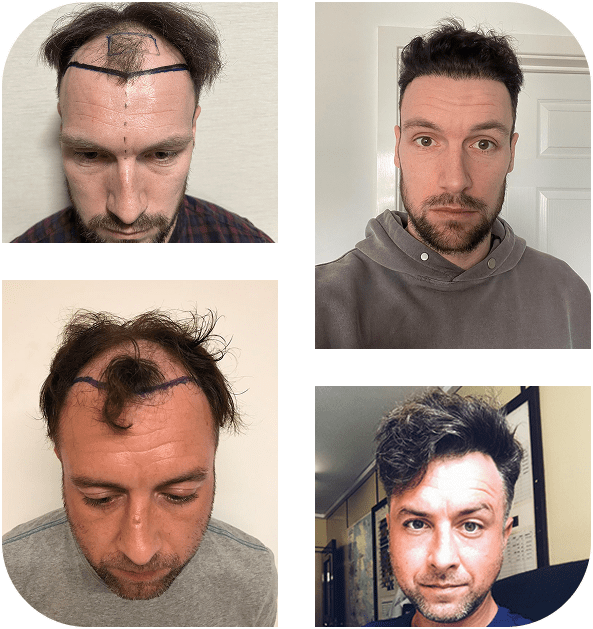
Two main techniques are used today. Follicular unit extraction removes grafts one at a time with a tiny punch, leaving small marks that fade into short hair. Follicular unit transplantation removes a narrow strip of scalp, divides it into grafts under magnification and leaves a thin linear scar. The better choice depends on hair type, the number of grafts needed and the style a patient prefers to wear. Implantation tools and digital imaging may assist the process, though the surgeon’s judgment in planning the hairline and graft direction has the greatest influence on how natural the outcome looks.
Recovery and What Results to Expect
Most patients resume light work within a few days, although scabbing, redness and swelling can last up to two weeks. Transplanted hairs usually shed around the first month, which is a normal part of the growth cycle and not a sign of failure. New strands tend to appear after three or four months and thicken gradually, with full results visible at roughly a year. Gentle washing, avoiding direct sun, skipping intense exercise and following written instructions all protect the grafts. Patience matters, since visible change develops slowly and cannot be rushed.
Selecting a Provider Across the County
Choosing the right clinic involves more than comparing prices. Surgeons should hold recognised qualifications, be registered with the General Medical Council and show consistent experience with patients whose hair and goals resemble the person asking. Those searching for Hair Transplant Essex specialists should request photographs of previous cases, read independent reviews and confirm who performs each stage of the operation. Accessibility is another factor, since follow-up visits form part of the process and long journeys become tiresome. A transparent provider explains risks, discusses alternatives and never pressures anyone into booking a date.
Costs, Consultations and Aftercare Support
Fees depend on graft numbers, method and the clinic’s standing, so a written quotation is essential. Patients comparing Hair Transplant Essex packages should ask whether the price includes medication, review appointments and possible touch-up sessions. A thorough consultation covers medical history, donor assessment, hairline design and an honest estimate of coverage. Unusually cheap offers deserve caution, because they may reflect rushed procedures or inexperienced staff. Questions worth asking include how many operations the surgeon completes each year, what support exists after surgery and how complications would be handled if they arise.
Risks and Long-Term Planning
Every operation carries some risk, including infection, swelling, numbness, scarring and uneven growth. Serious complications are uncommon when treatment takes place in a clean clinical setting with trained professionals. Because hair loss often continues in untreated areas, some patients add medication such as finasteride or minoxidil under medical advice. Regular check-ups allow the surgeon to monitor progress and adjust the plan as the person ages. Realistic goals, steady aftercare and open communication with the clinic remain the strongest predictors of satisfaction years after the procedure has been completed.
Conclusion
Surgical hair restoration can deliver lasting, natural-looking improvement when approached with research, patience and professional guidance. Comparing qualifications, understanding techniques and asking detailed questions about cost and aftercare help patients decide with confidence. Readers wanting more information on consultations and treatment options can visit capitalhairrestoration.co.uk, which offers details on procedures and patient support. A candid discussion of goals, together with a clear picture of recovery, helps ensure that the outcome matches what was expected at the outset. Thoughtful planning today supports a confident appearance for many years ahead.


Comments
Post a Comment