Hair Transplant Options in Essex: What Patients Should Know Before Choosing
A man notices a wider parting in a holiday photo, then a thinner crown in the bathroom mirror, and suddenly the question of hair loss becomes impossible to ignore. Millions of people in the United Kingdom face the same experience, and many look for lasting solutions rather than temporary fixes. Surgical restoration has become a common choice, and patients searching for Hair Transplant Essex services want clear, reliable information. This article explains how procedures work, which factors influence results, how recovery unfolds, and what to consider when choosing a clinic in the region.
Understanding Hair Loss and Surgical Restoration
Hair loss has several causes, including genetics, hormonal shifts, stress, medical conditions and certain medications. The most common form, androgenetic alopecia, affects both men and women and tends to progress gradually. Surgical restoration moves healthy follicles from a donor area, usually the back of the scalp, to thinning or bald zones. Because those follicles resist the hormones that cause shrinkage, they typically keep growing in their new position. Anyone researching Hair Transplant Essex options should begin with a consultation that identifies the cause of loss, since surgery is not suitable for every type.
Main Techniques Used in Modern Clinics
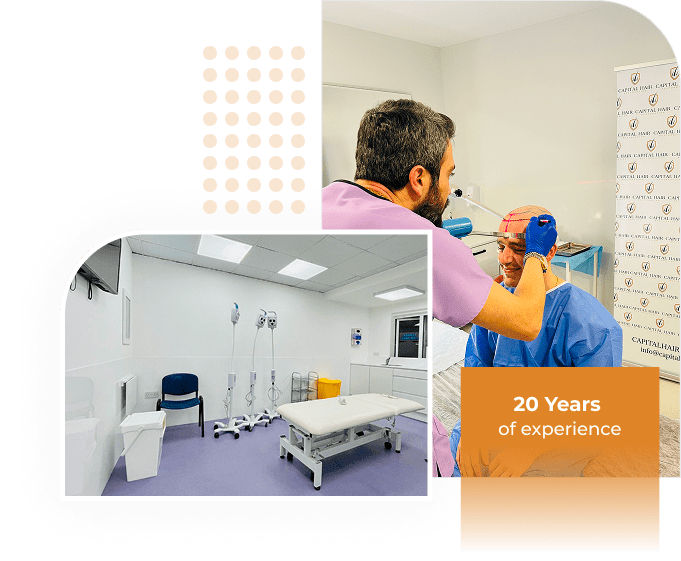
Two methods dominate current practice. Follicular unit extraction removes individual grafts with a small punch tool, leaving tiny dot-like marks that heal quickly and are easy to conceal with short hair. Follicular unit transplantation takes a thin strip of scalp, which is divided into grafts under a microscope and leaves a fine linear scar. Each method has strengths, and the choice depends on hair characteristics, the number of grafts required and personal preferences about hairstyle. Some clinics also use implanter pens or robotic assistance, though the surgeon’s skill remains the most important factor.
Recovery, Timeline and Realistic Expectations
Recovery is usually straightforward. Patients often return to desk work within a few days, although redness, scabbing and mild swelling may last for about a week or two. Transplanted hairs commonly shed within the first month, which is a normal stage of the cycle. New growth generally begins around the third or fourth month, and visible density improves gradually until roughly twelve months. Final results depend on donor supply, hair thickness and aftercare. Following instructions on washing, sun protection and avoiding strenuous exercise helps protect the grafts and supports a smoother healing process.
Choosing a Local Specialist
Location matters because follow-up appointments are an important part of the process. Patients who look for a hair transplant Brentwood clinic often value easy access from London, Chelmsford and nearby towns, which reduces travel stress on the day of surgery. Credentials deserve careful review, including the surgeon’s training, registration with the General Medical Council and experience with cases similar to the patient’s. Before-and-after photographs, written reviews and clear descriptions of aftercare provide useful evidence. A reputable provider will explain risks openly and avoid promising unrealistic outcomes or pushing patients toward a decision.
Costs, Consultations and Questions to Ask
Prices vary according to graft numbers, technique and clinic reputation, so written quotations are important. Patients considering a hair transplant Brentwood procedure should ask what the fee includes, such as medication, follow-up visits and any additional sessions. A thorough consultation covers medical history, donor area assessment and a realistic design of the hairline. Useful questions include who performs each stage, how many procedures the surgeon completes each year, and what happens if results fall short. Be cautious of unusually low prices, since these may reflect inexperienced staff or rushed procedures.
Risks, Aftercare and Long-Term Planning
Every surgical procedure carries some risk, including infection, swelling, numbness, scarring and uneven growth. Serious problems are uncommon when treatment is performed by trained professionals in a clean clinical setting. Hair loss often continues in untreated areas, so some patients combine surgery with medication such as finasteride or minoxidil, following medical advice. Regular check-ups allow the surgeon to monitor progress, and a long-term plan helps maintain a natural appearance as the person ages. Realistic goals, patience and good aftercare remain the strongest predictors of satisfaction.
Conclusion
Surgical hair restoration can offer lasting improvement when approached with research, patience and professional guidance. Comparing credentials, understanding techniques and asking detailed questions about cost and aftercare help patients make informed decisions. Those wishing to learn more about consultations and treatment options can visit capitalhairrestoration.co.uk, which provides information on procedures and patient support. A candid assessment of expectations, along with a clear understanding of recovery, helps ensure that the outcome matches the goals set at the start. Careful planning today supports natural-looking results for many years.


Comments
Post a Comment