Hair Restoration in Essex: Choosing the Right Clinic and Treatment Approach
Hair loss can affect more than physical appearance; it may also influence personal confidence and everyday interactions. For some individuals, thinning develops gradually, while others experience noticeable changes around the hairline or crown. Genetics, ageing, hormonal changes, medical conditions, and lifestyle factors can all contribute to hair loss. People considering hair transplant Brentwood services should first understand the reasons behind their condition and explore suitable treatment options. A professional assessment can help determine whether surgical restoration, medication, or another approach may be appropriate for individual circumstances.
Modern hair restoration offers several possibilities, but choosing the right treatment requires careful consideration. Some individuals may benefit from non-surgical treatments, while others with suitable donor hair may consider transplantation. When researching hair transplant Brentwood, patients should examine the available techniques, clinical standards, expected recovery, and long-term maintenance requirements. Understanding these factors helps establish realistic expectations before making a decision. Hair restoration is a personal process, and treatment recommendations should always reflect individual hair characteristics, medical history, and the pattern of hair loss.
Exploring Modern Hair Transplant Techniques
Hair transplantation involves moving healthy hair follicles from a donor area, usually at the back or sides of the scalp, to areas affected by thinning. Follicular Unit Extraction, commonly called FUE, involves removing individual follicular units before placing them into carefully prepared recipient areas. Follicular Unit Transplantation, or FUT, uses a strip of scalp tissue from which individual follicular units are separated. Both techniques have different advantages and considerations regarding scarring, recovery, and suitability. A qualified medical professional can explain which method may be appropriate after examining the patient's scalp.
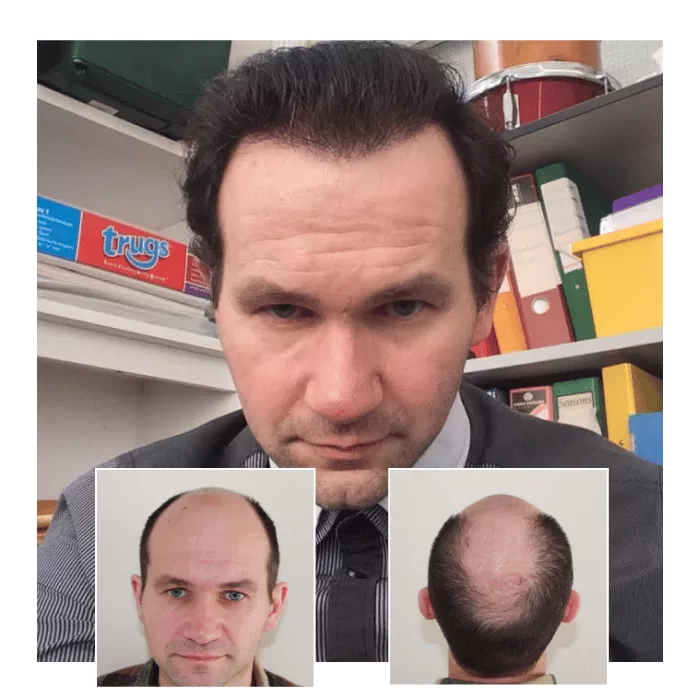
Treatment planning involves more than selecting a surgical technique. The natural direction of hair growth, donor hair density, facial proportions, and future hair loss patterns must also be considered. Individuals exploring hair transplant Brentwood options should discuss these details during consultation and ask how the proposed approach supports natural-looking results. Patients should also understand that transplantation redistributes existing follicles rather than creating new ones. Consequently, donor hair availability places limits on achievable coverage, making careful planning important for both immediate results and future hair restoration needs.
Why Professional Hair Loss Assessment Matters
Hair loss can have several underlying causes, and identifying the correct one is essential before choosing treatment. A professional assessment generally includes reviewing medical history, examining the scalp, and evaluating the pattern and progression of thinning. Some cases may involve temporary shedding associated with illness, nutritional deficiencies, stress, or medication. Other situations may involve hereditary hair loss that progresses over time. Understanding these differences helps determine whether a patient needs medical investigation, non-surgical management, or an assessment for possible surgical restoration.
A suitable consultation should provide clear information about treatment suitability, possible outcomes, risks, and costs. Patients should have enough time to discuss concerns without feeling pressured into immediate decisions. Medical professionals may also explain whether further investigations or alternative treatments are necessary before surgery. A detailed assessment is particularly important for individuals experiencing rapid or unexplained hair loss. Choosing treatment based on accurate information rather than assumptions can help avoid unsuitable procedures and support more appropriate long-term hair management.
Choosing a Reliable Hair Loss Clinic in Essex
Selecting the right medical provider is an important step for anyone experiencing hair thinning or considering restoration. A reputable Hair loss clinic Essex should offer appropriate assessments, transparent treatment information, and access to qualified medical professionals. Patients should check the experience and registration of the practitioners responsible for diagnosis and treatment. It is also important to understand who performs the surgical procedure and who supervises the different stages of care. These details help individuals evaluate clinical standards and make informed decisions about their treatment options.
A professional clinic should explain the differences between available treatments and avoid promising guaranteed outcomes. During an appointment, patients can ask about expected results, recovery requirements, potential complications, and follow-up arrangements. When comparing a Hair loss clinic Essex, individuals should also consider communication quality and whether recommendations are based on their actual medical needs. Reviewing genuine patient experiences may provide additional insight, although individual results can vary considerably. Clear explanations and responsible medical guidance are important indicators when assessing a provider.
Non-Surgical Treatments and Long-Term Hair Care
Hair transplantation is not the only option available to people experiencing thinning or excessive shedding. Depending on the underlying cause, medical professionals may recommend suitable medication, scalp treatments, or other non-surgical approaches. Certain treatments can help manage hereditary hair loss, although their effectiveness varies between individuals. A consultation at a Hair loss clinic Essex can help identify appropriate options and establish whether further medical assessment is needed. Patients should avoid choosing products or treatments solely because of advertisements or recommendations that are not supported by professional advice.
Long-term hair management is also important because natural hair loss may continue after transplantation. A clinician may discuss maintenance treatments, scalp care, and regular monitoring to help manage ongoing changes. Individuals visiting a Hair loss clinic Essex should ask how treatment recommendations may change over time and whether follow-up appointments are included. Consistency is often important when using prescribed hair loss treatments, and patients should understand their benefits, limitations, and possible side effects. A structured approach can help maintain realistic expectations and support informed decisions throughout the restoration journey.
Recovery, Aftercare, and Expected Results
Recovery following a hair transplant differs according to the technique used and the individual's healing response. Temporary redness, swelling, tenderness, and small scabs may develop around the treated areas. Patients should follow the medical team's instructions regarding scalp washing, sleeping positions, exercise, and daily activities. Avoiding unnecessary pressure or irritation around newly transplanted follicles is particularly important during early recovery. The clinic should provide clear aftercare guidance and explain when normal routines can gradually resume.
Hair growth following transplantation takes time, so immediate changes should not be expected. Transplanted hair may initially shed before new growth begins, which is a common part of the process. Visible improvements generally develop over several months, while fuller results may take approximately twelve months or longer. Individual timelines can vary depending on healing, follicle characteristics, and treatment extent. Follow-up appointments allow the medical team to assess progress, address concerns, and provide further guidance. Understanding this gradual process helps patients approach recovery with realistic expectations.
Making an Informed Decision About Hair Restoration
Choosing a hair restoration treatment requires research, professional guidance, and a clear understanding of personal expectations. Patients should compare treatment approaches, verify medical qualifications, and review the potential benefits and limitations before proceeding. Cost is one consideration, but safety, clinical experience, and aftercare arrangements deserve equal attention. It is also important to understand that no procedure can guarantee identical results for everyone. Taking time to ask questions and evaluate available information can make the decision-making process more confident and responsible.
Conclusion:
Hair restoration involves several important decisions, from identifying the cause of hair loss to selecting an appropriate treatment and planning long-term care. Professional assessment, realistic expectations, and suitable aftercare all contribute to a more informed experience. Individuals researching available services can explore information through capitalhairrestoration.co.uk when considering hair restoration options in the region. Ultimately, the most appropriate approach depends on individual medical circumstances, donor hair availability, and personal goals. Consulting a qualified specialist provides an opportunity to understand the available choices and develop a treatment plan focused on safety and suitability.


Comments
Post a Comment