Understanding Modern Hair Restoration Options for Lasting Natural Results
Hair loss can begin quietly, with a widening parting, a receding hairline, or noticeably thinner areas becoming visible in photographs. Although hair shedding is common, persistent thinning can affect confidence and daily comfort. A Hair loss clinic Essex can provide professional assessment to determine possible causes and suitable treatment options. Understanding the differences between temporary shedding, progressive hair loss, and permanent follicle damage is important before considering any procedure. This article explores modern hair restoration, explains what patients can expect from professional guidance, and highlights why personalised assessment remains central to achieving natural-looking results.
Understanding the Causes of Hair Loss
Hair loss can develop for many reasons, including genetics, hormonal changes, nutritional deficiencies, illness, stress, ageing, and certain medications. Because the underlying cause differs between individuals, treatment should begin with an appropriate assessment rather than assumptions. A Hair loss clinic Essex may evaluate the scalp, hair density, pattern of thinning, and medical background before recommending a suitable approach. Early evaluation can also help identify whether shedding may be temporary or whether follicles are gradually becoming weaker. Understanding the cause gives individuals a clearer basis for deciding whether non-surgical treatment, monitoring, or restoration procedures may be appropriate.
Why Professional Assessment Matters
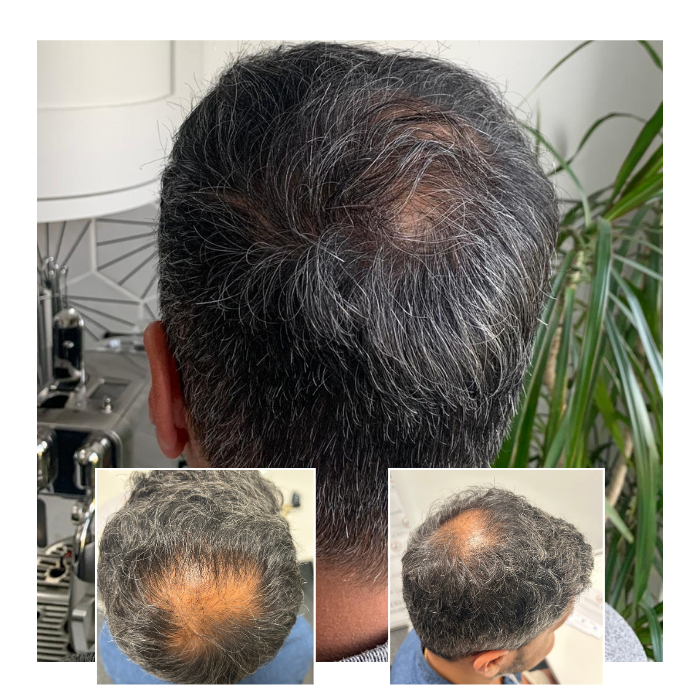
A professional consultation can provide valuable information that is difficult to obtain through online research alone. Hair specialists can examine the condition of the scalp and assess the distribution of existing hair before discussing possible treatments. The assessment may also consider donor hair availability, expected progression, and individual expectations. A balanced consultation should explain both potential benefits and limitations rather than promising unrealistic results. This approach allows patients to make informed decisions based on their circumstances. Good planning is particularly important because successful restoration depends on preserving natural proportions, appropriate hairline design, and careful management of available follicles.
Choosing a Suitable Restoration Approach
Modern restoration techniques have developed considerably, offering options that can be tailored to different patterns of hair loss. Some individuals may benefit from treatments designed to support existing follicles, while others with permanent thinning may consider transplantation. The choice depends on factors such as hair density, donor supply, age, pattern progression, and personal goals. During research into treatment providers, understanding the principles behind hair transplant Brentwood services can help prospective patients compare consultation processes, techniques, practitioner experience, and aftercare arrangements. The most suitable option should always be determined after professional assessment rather than selected solely because of popularity.
What to Expect From Hair Transplantation
A hair transplant generally involves moving healthy follicles from a donor area to regions affected by permanent thinning. The procedure requires careful planning because transplanted follicles need to be positioned in a way that complements existing hair. When considering hair transplant Brentwood options, patients should ask about the proposed hairline, graft planning, expected growth, recovery period, and follow-up care. Results do not appear immediately, as transplanted follicles typically require time before new growth becomes visible. Patience is therefore an important part of the process, while realistic expectations can help patients understand the gradual nature of hair restoration.
The Importance of Natural-Looking Results
The objective of hair restoration is not simply to add more hair but to create an appearance that looks balanced and natural. Hairline shape, graft direction, density, and transition between transplanted and existing hair can all influence the final result. A carefully planned procedure should take facial proportions and future hair loss into consideration. Overly aggressive treatment at an early stage may not always provide the most sustainable outcome. For this reason, consultation quality matters as much as the procedure itself. Patients should receive clear explanations about realistic density, likely progression, and how long final results may take.
Recovery and Long-Term Expectations
Recovery following hair restoration varies depending on the technique used and individual circumstances. Temporary redness, swelling, sensitivity, or scabbing can occur during the early healing period, while newly transplanted follicles gradually settle. Following aftercare instructions carefully can support proper healing and protect the treated area. Hair growth itself is a gradual process, meaning visible improvement may take several months and the final appearance can develop over a longer period. Regular follow-up can help monitor progress and identify any concerns. Understanding this timeline can prevent unrealistic expectations and encourage a more measured approach to restoration.
Making an Informed Decision
Choosing a hair restoration provider should involve more than comparing photographs or advertised prices. Patients can consider practitioner qualifications, consultation standards, treatment methods, aftercare, transparency about risks, and the suitability of proposed treatment. Independent research can also help individuals understand what different procedures involve before attending a consultation. The aim should be to select an approach that matches the individual pattern of hair loss and long-term expectations. Professional advice is especially valuable when the cause of hair loss is uncertain or when significant thinning has developed over a relatively short period.
Conclusion
Hair restoration is a personal decision that benefits from careful research, realistic expectations, and professional guidance. From identifying the cause of thinning to selecting an appropriate procedure and understanding recovery, every stage can influence the overall experience. For individuals exploring hair transplant Brentwood solutions, comparing consultation standards and long-term treatment planning can provide useful direction. Further information and professional guidance are available through capitalhairrestoration.co.uk, where patients can explore suitable hair restoration considerations before making a decision. A thoughtful approach focuses on individual needs, natural-looking outcomes, and sustainable planning rather than quick promises or unrealistic expectations.


Comments
Post a Comment