Understanding Hair Restoration Options for Lasting Confidence in Essex
Hair loss can begin gradually, making it difficult to recognise until changes in appearance become noticeable. A widening parting, a receding hairline, or thinning around the crown may affect confidence and encourage people to explore suitable treatments. Seeking advice from a Hair loss clinic Essex residents can access may help individuals understand the possible causes and available options. Hair loss can result from genetics, hormonal changes, certain medical conditions, stress, or nutritional factors. Identifying the underlying cause is an important first step towards choosing an appropriate treatment and establishing realistic expectations for future hair growth.
Why Professional Hair Loss Assessment Matters
Although hair thinning is common, its causes and progression differ from person to person. Some individuals experience gradual hereditary hair loss, while others notice sudden shedding that may require medical investigation. Consulting a Hair loss clinic Essex patients can visit for professional guidance provides an opportunity to discuss symptoms, medical history, and treatment goals. An appropriate assessment may include examining the scalp, reviewing family history, and determining whether further tests or a referral are necessary. This process helps distinguish between conditions that may respond to medication and cases where surgical restoration could be considered.
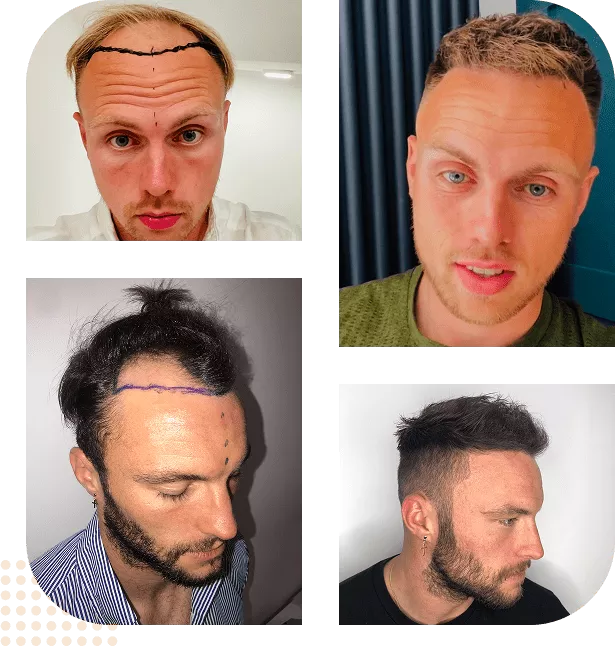
Exploring Available Hair Restoration Treatments
Hair restoration includes several approaches, and the most suitable option depends on the cause and severity of hair loss. Depending on an individual's circumstances, treatment may involve prescribed medication, clinically recommended topical products, or procedures designed to improve the appearance of thinning areas. Non-surgical options can help manage certain types of hair loss, although results vary and ongoing treatment may be necessary. Surgical restoration may be considered when hair loss is stable and sufficient donor hair is available. A qualified clinician can explain potential benefits, limitations, side effects, and costs before any treatment decision is made.
What to Know Before Considering a Hair Transplant
A hair transplant involves moving hair follicles from a donor area, usually the back or sides of the scalp, to areas affected by thinning. People researching hair transplant Brentwood options should first understand that suitability depends on factors such as donor hair density, scalp condition, age, and the likely progression of hair loss. During a consultation, a qualified practitioner should assess these factors and explain the expected coverage. The aim is generally to create a natural-looking appearance rather than restore every strand of hair lost. Careful planning is essential because donor hair is limited.
Understanding the Hair Transplant Process and Recovery
Hair transplantation is a planned medical procedure that requires preparation, appropriate aftercare, and time for visible results to develop. Those exploring hair transplant Brentwood services should ask about the technique being recommended, the clinician performing each stage, and the support available during recovery. Temporary redness, swelling, tenderness, and scabbing may occur after treatment, while transplanted hairs commonly shed before new growth begins. Noticeable improvement generally takes several months, and fuller results may require around twelve months or longer. Individual recovery timelines vary, so patients should follow their clinician's instructions and attend recommended follow-up appointments.
Setting Realistic Expectations for Hair Restoration
Hair restoration can improve hair coverage, but it cannot guarantee a particular density or completely prevent future hair loss. Existing hair may continue to thin even after a successful transplant, which is why long-term planning matters. Before proceeding, individuals should discuss the likely outcome, possible complications, recovery requirements, and any additional treatments that may be recommended. Photographs, an examination, and a clear explanation of the proposed treatment plan can help establish realistic expectations. Understanding these details also allows patients to compare options carefully instead of making decisions based solely on advertising or promised results.
Choosing a Suitable Clinic and Qualified Practitioner
Selecting a provider requires more than comparing prices or viewing promotional photographs. Patients should verify the practitioner's qualifications, relevant experience, professional registration, and the standards followed by the clinic. In the United Kingdom, checking the appropriate regulatory registration and understanding who will carry out the procedure are important safeguards. It is also sensible to ask about infection prevention, aftercare arrangements, complication management, and the total cost of treatment. A responsible provider should explain when surgery may not be appropriate and allow enough time for questions. Clear communication supports informed decisions and helps people evaluate their options confidently.
Maintaining Scalp Health After Treatment
Healthy scalp care remains important whether a person chooses non-surgical treatment or undergoes a transplant. Gentle washing, following professional aftercare instructions, and avoiding unnecessary irritation can support recovery after a procedure. Patients should not introduce unfamiliar products or return to strenuous activities before receiving appropriate guidance. For people managing ongoing hair thinning, regular reviews can help assess progress and determine whether the treatment plan needs adjustment. Nutrition, general health, and underlying medical conditions may also influence hair quality. Although lifestyle changes cannot reverse every type of hair loss, a consistent care routine can contribute to overall scalp health.
Conclusion:
Hair loss treatment is a personal decision that benefits from careful assessment, reliable information, and realistic expectations. Understanding the cause of thinning, comparing non-surgical approaches, and evaluating surgical suitability can help individuals choose a path that fits their circumstances. Anyone researching hair transplant Brentwood services should prioritise qualified practitioners, transparent advice, and appropriate aftercare rather than guaranteed outcomes. For further information about hair restoration options, capitalhairrestoration.co.uk can be explored as a starting point for reviewing available services. Ultimately, informed decision-making and professional guidance are essential for approaching hair restoration with confidence and a clear understanding of its limitations.


Comments
Post a Comment