How Professional Hair Restoration Can Support a Confident New Look
Looking in the mirror and noticing more scalp than before can be an unsettling experience, particularly when hair thinning develops gradually. Changes in density, a receding hairline, or a thinner crown can affect how a person feels about their appearance. Although everyday shedding is normal, persistent or progressive loss may deserve professional attention. A Hair loss clinic Essex can help individuals understand their pattern of hair loss and explore suitable options. The most important consideration is not simply restoring hair, but finding an approach that suits the individual while providing realistic expectations about treatment and results.
Recognising the Early Signs of Hair Thinning
Hair loss often develops differently from one person to another. Some people first notice increased shedding while washing or brushing, whereas others may observe a wider parting or gradual recession around the temples. Changes can sometimes remain subtle for months before becoming more noticeable. Paying attention to these early signs can encourage timely professional assessment. A specialist can examine the scalp and existing hair to determine whether the pattern suggests temporary shedding or progressive follicle miniaturisation. Early understanding does not necessarily mean immediate treatment, but it can provide useful information for making informed decisions about future hair care.
Why Individual Assessment Is Important
No single hair restoration solution is appropriate for everyone. The cause, pattern, extent, and progression of hair loss can vary considerably, making individual assessment an important part of the process. During a consultation, a specialist may examine donor areas, existing density, scalp condition, and the distribution of thinning. Medical history and previous treatments may also be relevant when considering possible options. This detailed approach helps establish realistic goals. Instead of focusing solely on how much hair can be restored, the assessment should consider how the result can complement existing hair and remain suitable as natural ageing continues.
Considering Hair Transplantation
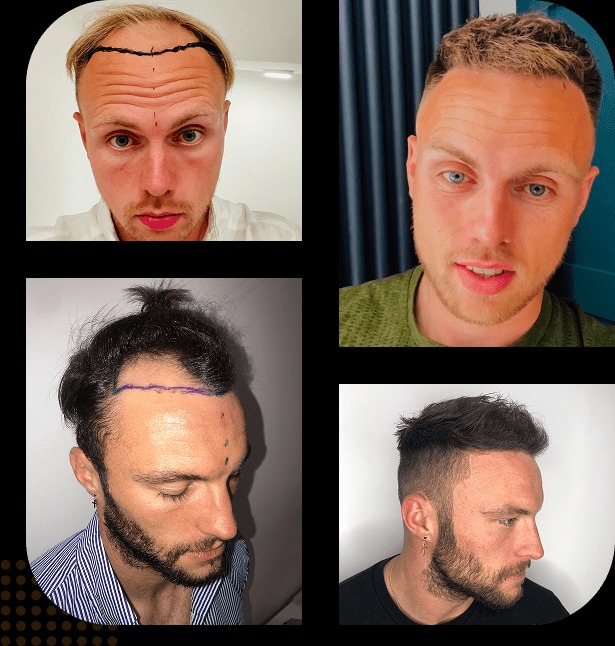
When hair follicles have been permanently affected, transplantation may become one of the options worth discussing. The procedure involves relocating healthy follicles from a suitable donor area to regions experiencing permanent thinning. Careful placement is necessary to create an appearance that blends with existing hair. Individuals researching Hair Transplant Essex services can benefit from learning about the techniques offered, practitioner experience, consultation process, recovery expectations, and aftercare. Understanding these factors before choosing treatment allows prospective patients to compare options more carefully and avoid making a decision based solely on advertising, price, or short-term expectations.
The Importance of Hairline Design
A natural-looking result depends heavily on appropriate hairline planning. The hairline needs to reflect factors such as age, facial structure, existing density, and the possibility of future hair loss. Creating an excessively low or dense hairline may not always provide a balanced long-term appearance. Experienced planning considers how transplanted hair will look alongside existing follicles as the years progress. This is why consultation should involve detailed discussion rather than focusing only on photographs of previous results. A carefully designed hairline can contribute significantly to an outcome that appears natural rather than obviously treated.
Understanding the Transplant Process
Hair transplantation is a planned procedure rather than a quick solution to thinning hair. After the donor follicles are selected, they are prepared and placed into carefully planned recipient areas. The direction and angle of placement are important because they influence how the new hair grows alongside existing strands. The number of grafts required can vary depending on the size of the treatment area and the available donor supply. Individuals considering Hair Transplant Essex treatment should understand that the procedure is only one part of the restoration journey. Consultation, preparation, aftercare, and long-term monitoring can all influence the overall experience.
Patience During the Recovery Period
One of the most important aspects of hair restoration is understanding that visible results take time. Following transplantation, the treated area may experience temporary redness, sensitivity, swelling, or small scabs as the scalp heals. Newly transplanted hair may also shed during an early stage before new growth begins. This can be surprising for individuals expecting immediate improvement, but gradual development is part of the normal restoration process. Following professional aftercare instructions can help protect the treated area during recovery. Regular patience is therefore essential, because the appearance of new growth can continue developing over several months.
Making a Responsible Treatment Decision
Choosing hair restoration should involve careful consideration rather than pressure to act quickly. A responsible decision includes researching the provider, understanding the proposed procedure, discussing potential limitations, and considering future hair loss. It is also important to establish whether the available donor hair is sufficient for the desired result. Professional advice can help clarify these questions and reduce unrealistic expectations. Individuals should have an opportunity to discuss concerns openly and receive clear information about recovery and potential outcomes. A thoughtful consultation provides a stronger foundation for deciding whether treatment is appropriate.
Conclusion
Hair restoration involves more than replacing missing hair; it requires careful planning around existing follicles, facial proportions, future progression, and individual expectations. Anyone researching a Hair loss clinic Essex can begin by comparing consultation standards and understanding the different approaches available. For people exploring transplantation, a clear understanding of the procedure and recovery timeline is equally valuable. Information about professional hair restoration can also be found through capitalhairrestoration.co.uk, providing another resource for individuals researching treatment possibilities. Ultimately, informed decisions, realistic expectations, and personalised planning can contribute to a more natural and balanced restoration journey.


Comments
Post a Comment