Hair Transplants in Essex and Brentwood: What Patients Should Know First
Plenty of people begin researching restoration after seeing an unflattering photo from a wedding or holiday. The thinning crown, invisible in the mirror, suddenly looks obvious from above. That moment often triggers late-night reading, and the volume of conflicting claims can overwhelm. Anyone weighing a Hair Transplant Essex providers advertise will meet promises of density, speed and low prices, which are not always realistic. This article explains how the procedure works, who tends to benefit, what recovery involves and how to compare local options sensibly, so that decisions rest on evidence rather than persuasive marketing.
How the Procedure Actually Works
A transplant relocates living follicles from areas resistant to balding, usually the back and sides of the scalp, into thinner zones. The surgeon plans the hairline, numbs the area and places each graft at a specific angle and depth so growth looks natural. Sessions can last several hours depending on graft numbers. Those exploring a Hair Transplant Essex clinics provide will often hear about extraction and implantation as separate stages, each demanding precision. Because the moved follicles retain their genetic resistance, they generally keep growing long after the operation is complete.
Who Makes a Good Candidate
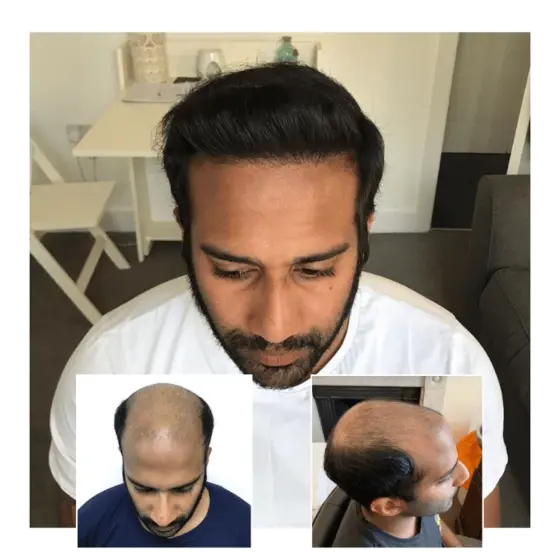
Suitability depends on more than the wish for thicker hair. A reliable candidate has permanent, reasonably stable loss and enough healthy donor hair to cover the planned area. Very young patients with rapidly changing patterns are sometimes advised to wait, since new thinning may appear around transplanted zones. Medical conditions, scalp disease and unrealistic expectations can also affect the advice given. A thorough consultation includes scalp examination, discussion of family history and honest conversation about limits, and sometimes the recommendation is medication or monitoring rather than surgery.
Choosing Between Local Options
Location matters mostly for convenience, since follow-up visits are part of good care. Someone researching a hair transplant Brentwood practice offers might value being close to the surgeon for check-ups during the first months. Proximity should never outweigh quality, though. Credentials, the surgeon’s direct involvement, clear pricing and genuine results from comparable hair types are stronger indicators than a polished website. Meeting the clinical team in person, asking who performs each stage and requesting details of complication management all help patients separate careful providers from those focused mainly on volume.
Costs, Planning and Realistic Results
Prices vary with graft numbers, technique and clinic reputation, and the cheapest quote is rarely the best value. Anyone comparing a hair transplant Brentwood specialist quotes against others should check what the fee includes, such as medication, aftercare and review appointments. Results develop slowly: shedding of transplanted hairs in the first weeks is normal, new growth starts around month three or four, and the full effect often appears after twelve months. Donor hair is limited, so a sensible plan considers how loss may progress over the following decades.
Recovery and Aftercare
Early healing is usually manageable. Redness and small scabs settle within about two weeks, and most people return to desk-based work within a few days. Aftercare instructions typically cover gentle washing, sleeping with the head slightly raised, avoiding intense exercise and shielding the scalp from direct sun. Smoking and alcohol can slow healing, so doctors often advise cutting back. Following guidance closely supports graft survival, and scheduled reviews give the surgeon a chance to confirm progress and address worries before they grow.
Conclusion
Restoring hair is a medical decision that deserves research, patience and clear expectations. Understanding candidacy, comparing providers on substance and appreciating the long timeline all reduce the risk of disappointment. Readers who want to speak with specialists can look at capitalhairrestoration.co.uk for details on consultations and treatment options, then weigh what they find against other sources. Whichever clinic is chosen, the strongest outcomes tend to come from careful planning, honest advice and steady aftercare, since natural-looking density is built gradually over many months rather than achieved overnight.


Comments
Post a Comment