Hair Transplant Essex and Brentwood: Treatments, Benefits, and Expert Care
Hair loss can gradually change a person's appearance and affect confidence in everyday situations. Whether thinning develops around the hairline, crown, or other areas of the scalp, understanding its cause is an important first step towards finding an appropriate solution. People researching Hair Transplant Essex services often want to learn about available treatments, expected results, and the factors that influence suitability. Modern hair restoration offers several options, including medical treatments and surgical procedures. Understanding these approaches helps individuals make informed decisions based on their hair loss pattern, personal preferences, medical history, and long-term expectations.
Exploring Hair Transplant Brentwood Treatments
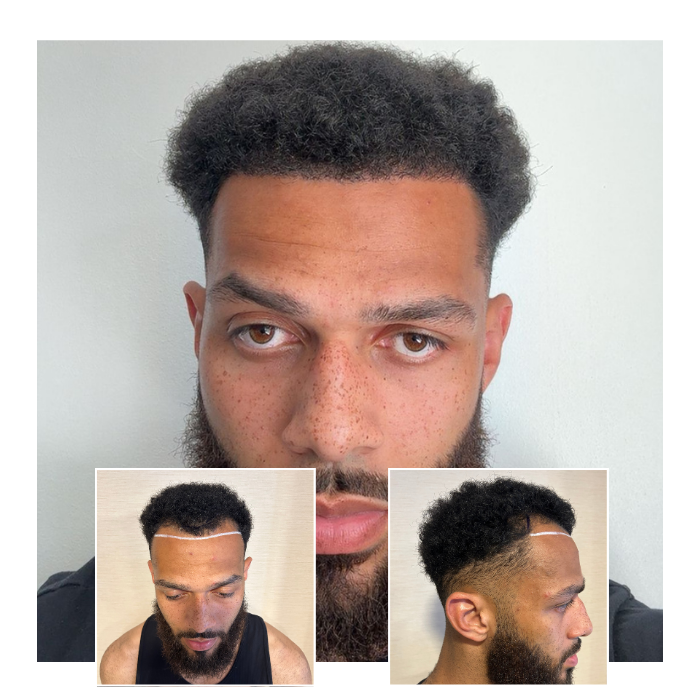
Hair transplantation is a procedure that relocates healthy hair follicles from a donor area, usually the back or sides of the scalp, to areas experiencing thinning or baldness. Individuals considering hair transplant Brentwood treatments should understand how different techniques work before choosing a provider. Follicular Unit Extraction, commonly called FUE, involves removing individual follicular units, while Follicular Unit Transplantation, or FUT, involves removing a strip of scalp that is divided into grafts. Each method has specific advantages and limitations. A qualified medical professional can assess donor hair, scalp condition, and personal goals before recommending a suitable approach.
Understanding the Causes of Hair Loss
Hair loss can occur for several reasons, and identifying the underlying cause is essential before starting treatment. Genetic factors are a common cause of pattern baldness, while hormonal changes, ageing, nutritional deficiencies, certain medications, and medical conditions can also contribute. Stress or illness may trigger temporary shedding in some individuals. Although transplantation can improve the appearance of areas affected by permanent hair loss, it does not necessarily address the underlying cause of ongoing shedding. A medical assessment can help distinguish between different types of hair loss and determine whether medication, lifestyle adjustments, further investigation, or surgical restoration may be appropriate.
Benefits of Professional Hair Restoration
Professional hair restoration can offer practical and aesthetic benefits for suitable candidates. A carefully planned procedure can improve hair coverage, create a more balanced hairline, and use existing follicles to restore areas affected by permanent thinning. When exploring Hair Transplant Essex options, individuals should look beyond promotional claims and consider the quality of consultation, treatment planning, and aftercare. Natural-looking results depend on factors such as donor hair availability, graft placement, hair characteristics, and the progression of hair loss. A responsible practitioner explains what can realistically be achieved and discusses potential limitations before treatment begins, helping patients establish appropriate expectations.
Choosing the Right Hair Transplant Clinic
Selecting a clinic is an important part of the hair restoration process. People researching hair transplant Brentwood providers should check the qualifications and professional registration of the clinician responsible for their treatment. It is also helpful to understand who performs each stage of the procedure, how complications are managed, and what follow-up support is included. A thorough consultation should cover medical history, scalp examination, suitable treatment options, costs, possible risks, and recovery requirements. Patients should have sufficient time to ask questions and consider their options without pressure. Clear communication and transparent information contribute to a safer and more informed treatment experience.
Surgical and Non-Surgical Treatment Options
Hair transplantation is not the only option for managing thinning hair. Depending on the diagnosis, non-surgical treatments may help slow hair loss or encourage regrowth. Topical minoxidil is one option, while prescription medicines may be appropriate for certain patients following medical advice. Treatment effectiveness varies, and some options require continued use to maintain their benefits. Surgical restoration may be considered when hair loss is stable enough and sufficient donor hair is available. A qualified professional can explain the differences between these approaches, including costs, maintenance, possible side effects, and expected outcomes. Comparing treatments carefully helps individuals select an approach suited to their circumstances.
Recovery and Expected Results
Recovery after a hair transplant differs from person to person and depends on the technique used, the extent of treatment, and individual healing. Mild swelling, redness, tenderness, and small scabs may develop during the initial recovery period. Transplanted hairs commonly shed during the first few weeks, which can be a normal part of the process before new growth begins. Noticeable improvement generally develops over several months, with fuller results often becoming apparent around nine to twelve months after treatment. Following the clinic's aftercare instructions and attending recommended reviews can support recovery. Patients should understand that final density and coverage vary, and results cannot be guaranteed.
Maintaining Healthy Hair for the Future
Long-term hair care remains important after treatment, particularly because existing non-transplanted hair may continue to thin. A medical professional can recommend an appropriate maintenance plan based on the cause and progression of hair loss. Gentle scalp care, a balanced diet, and addressing diagnosed nutritional deficiencies may support general hair health, although these measures cannot reverse every type of baldness. Patients should also understand that transplanted hair does not prevent future hair loss elsewhere on the scalp. Regular follow-up appointments can help monitor progress and identify whether additional treatment or adjustments to the management plan may be beneficial.
Making an Informed Hair Restoration Decision
Choosing hair restoration requires careful consideration of personal goals, medical suitability, financial commitments, and realistic expectations. Researching treatment techniques and comparing providers can help individuals understand the differences between available services. Before committing to surgery, it is sensible to seek a thorough assessment, verify professional credentials, and review the possible benefits and risks. For further information about hair restoration options, capitalhairrestoration.co.uk can be explored alongside independent research and advice from a qualified medical professional. Ultimately, successful decision-making depends on patient safety, suitable treatment planning, transparent communication, and an understanding that individual results will differ.


Comments
Post a Comment