Hair Restoration in Essex: Understanding Treatments for Thinning Hair
Hair plays an important role in personal appearance, and noticing a receding hairline or thinning crown can sometimes affect confidence. Hair loss develops for different reasons, including genetics, hormonal changes, certain medical conditions, stress, and ageing. Understanding the cause is essential before choosing a treatment. Visiting a Hair loss clinic Essex residents can access may help individuals explore their symptoms and receive appropriate professional guidance. Rather than relying on unverified products or online promises, a careful assessment can identify possible treatment options, explain their limitations, and help establish realistic expectations for improving hair density and maintaining scalp health.
Finding the Right Approach to Hair Loss
Not every type of hair loss requires surgery, and the most suitable approach depends on the individual's condition. Some people experience gradual hereditary thinning, while others develop temporary shedding after illness, significant stress, or nutritional deficiencies. At a Hair loss clinic Essex patients may receive an assessment that considers their medical history, scalp condition, family background, and pattern of hair loss. A clinician may recommend further investigation, medication, or specialist referral when appropriate. Identifying the underlying cause can prevent unnecessary treatment and help individuals make informed decisions about managing their hair concerns over time.
Non-Surgical Options for Managing Thinning Hair
Non-surgical treatments can be useful for certain types of hair loss, particularly when treatment begins at an appropriate stage. Depending on the diagnosis, options may include clinically recommended topical treatments or prescription medication. Their effectiveness varies, and some treatments require continued use to maintain results. Individuals should discuss potential side effects, suitability, and expected timelines with a qualified healthcare professional before starting treatment. A balanced approach also considers scalp care, general health, and any underlying medical conditions. Although non-surgical methods cannot restore hair in every situation, they may help manage ongoing thinning and delay the need to consider surgical procedures.
When a Hair Transplant May Be Worth Considering
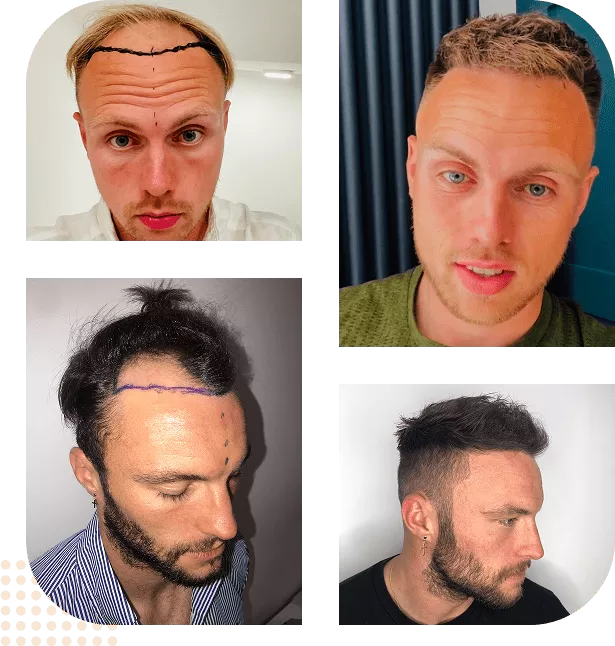
A hair transplant may be an option for individuals with suitable donor hair who want to address areas affected by permanent hair loss. People researching Hair Transplant Essex services should understand that candidacy depends on several factors, including hair density, scalp health, the stability of hair loss, and personal expectations. The procedure generally involves relocating follicles from a donor area, often at the back or sides of the scalp, to areas requiring greater coverage. A detailed consultation helps determine whether transplantation is appropriate and what results may realistically be achieved. Not everyone experiencing hair loss is a suitable candidate for surgery.
Understanding the Procedure and Expected Results
Hair transplantation requires careful planning to create a natural-looking hairline and distribute available follicles appropriately. During a consultation, the practitioner should explain the recommended technique, the estimated number of grafts, possible risks, and the expected recovery process. When comparing Hair Transplant Essex providers, it is important to establish who will perform each stage of the procedure and what clinical supervision is provided. Transplanted hairs commonly shed during the early recovery period before new growth begins. Visible improvement develops gradually over several months, and fuller results may take twelve months or longer, depending on individual circumstances and healing.
Recovery, Aftercare, and Long-Term Hair Health
After a hair transplant, the scalp needs time to heal. Temporary redness, swelling, tenderness, and small scabs may appear during the initial recovery period. Following the clinic's aftercare instructions helps reduce avoidable irritation and supports appropriate healing. Patients should ask when they can wash their hair normally, resume exercise, and return to their usual activities. It is also important to understand that transplantation does not stop untreated hair from thinning elsewhere on the scalp. A practitioner may discuss additional management options to help maintain existing hair, depending on the individual's diagnosis, medical history, and treatment goals.
How to Evaluate a Hair Restoration Provider
Choosing a clinic requires careful research rather than relying exclusively on price, advertising, or before-and-after photographs. Prospective patients should check professional qualifications, relevant experience, regulatory registration, and the clinic's approach to patient safety. They should also ask about potential complications, follow-up appointments, aftercare support, and the full cost of treatment. A responsible practitioner will explain both the benefits and limitations of available procedures and will not promise guaranteed results. Taking time to compare providers and ask questions allows individuals to assess whether the proposed treatment is suitable for their needs and whether the information provided is clear and transparent.
Building Realistic Expectations Before Treatment
Successful hair restoration begins with understanding what treatment can and cannot achieve. A transplant may improve coverage in selected areas, but the final density depends on donor hair availability, scalp characteristics, and the progression of existing hair loss. Non-surgical treatments also have limitations and may not work equally well for everyone. Reviewing the proposed plan, expected timeline, maintenance requirements, and possible risks helps individuals prepare for the process. Patients should feel comfortable seeking a second opinion when necessary. A considered decision based on professional advice is more valuable than choosing a procedure because of unrealistic promises or pressure to act quickly.
Conclusion:
Managing hair loss involves identifying its cause, reviewing appropriate treatments, and understanding the importance of long-term care. Whether someone begins with a professional assessment or considers surgical restoration, individual suitability should guide every decision. Those exploring a Hair Transplant Essex option should compare qualified providers, discuss realistic outcomes, and understand the recovery process before proceeding. For additional information about hair restoration services, capitalhairrestoration.co.uk may serve as a starting point for further research. Ultimately, informed choices, appropriate clinical guidance, and realistic expectations can help individuals approach hair restoration with greater confidence and a clearer understanding of their options.


Comments
Post a Comment