Hair Loss Explained: Causes, Treatments and Transplant Options in Essex
Most people notice thinning hair on an ordinary morning, perhaps while checking a photo or catching a glimpse in a bathroom mirror. The realisation tends to arrive quietly, then stay on the mind for months. Hair loss affects a large share of adults, and for many it shapes confidence, social comfort and even career decisions. This article explains why hair thins, how a specialist assessment works, and which treatments are available. It also looks at what surgical restoration involves, so readers can understand their options before seeking any professional advice or committing to a procedure.
Understanding Why Hair Thins
Hair follicles run through growth, rest and shedding cycles, and loss begins when that rhythm is disrupted. Genetics is the most common cause, particularly in male and female pattern baldness, but hormonal shifts, stress, illness, poor nutrition and certain medications also play a part. Anyone worried about thinning often starts by visiting a Hair loss clinic Essex residents can reach locally, where a trained practitioner examines the scalp and discusses medical history. Identifying the underlying cause matters, since temporary shedding calls for a very different approach from permanent follicle miniaturisation, and an accurate diagnosis prevents wasted time and money.
Non-Surgical Ways to Slow Thinning
Surgery is not the first step for everyone. Topical minoxidil and oral finasteride are widely used medical treatments that may slow shedding and encourage regrowth in suitable candidates, though results vary and continued use is usually needed. Low-level laser devices, scalp massage, and nutritional correction are also discussed in clinical settings, with differing levels of supporting evidence. Treatments tend to work best when started early, because dormant follicles respond better than those long since lost. Realistic expectations are important, since these methods aim mainly to maintain existing hair rather than to rebuild a fully dense head of hair.
When Surgical Restoration Becomes Worth Considering
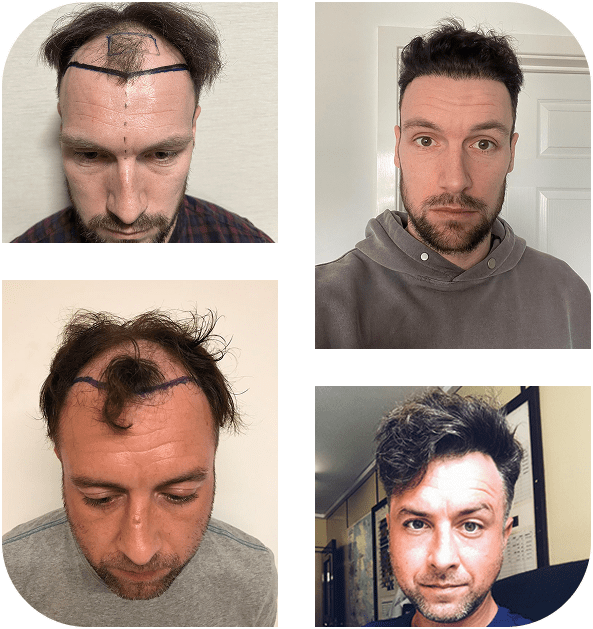
When medication no longer delivers enough benefit, surgical restoration enters the conversation. The procedure relocates healthy follicles, usually taken from the back of the scalp where hair is genetically resistant to thinning, into areas with less coverage. A Hair Transplant Essex patient will typically be assessed for donor hair density, hairline design and the extent of loss before a plan is drawn up. Because transplanted follicles keep their original characteristics, they generally continue growing for years. Good candidates tend to have stable loss patterns and sufficient donor supply, which is why consultation comes before any decision.
FUE and FUT: Comparing the Main Techniques
Two methods dominate modern restoration. Follicular unit extraction removes individual grafts with a tiny punch tool, leaving small dot-like marks that heal quickly and are easy to conceal under short hair. Follicular unit transplantation takes a thin strip of scalp, which is divided into grafts under magnification, leaving a linear scar. Anyone researching Hair Transplant Essex options will find that both techniques have supporters, and the better choice depends on hair type, expected graft numbers and personal preference about scarring. A surgeon can explain which method suits an individual head of hair and lifestyle.
Recovery and What Results Look Like
Recovery is usually straightforward but requires patience. Small scabs form in the first days and fall away within about two weeks, and some transplanted hairs shed before new growth begins around the third or fourth month. Visible improvement builds gradually, with full results often appearing after twelve months or longer. Aftercare instructions, including gentle washing, avoiding strenuous exercise early on and protecting the scalp from sun, help the grafts settle properly. Patients who follow guidance closely tend to see better outcomes, and a follow-up appointment lets the specialist check progress and answer concerns.
Choosing a Provider Carefully
Quality varies across the industry, so careful research is sensible. Credentials, surgeon involvement during the procedure, clear pricing and before-and-after photographs of comparable cases all reveal how a practice operates. A reputable Hair loss clinic Essex patients consider should offer an honest consultation, explain risks such as infection or uneven growth, and avoid promising guaranteed outcomes. Reading independent reviews and asking about aftercare support are equally useful. Rushing into a low-cost offer abroad or locally without checking regulation can lead to disappointing results, and corrective work is often more expensive than choosing well initially.
Conclusion
Hair loss is common, well understood and, in many cases, manageable. Understanding the cause, trying suitable medical options and weighing surgery with clear expectations lead to better decisions than acting on impulse. Those wanting to speak with specialists can explore capitalhairrestoration.co.uk, which provides information on assessment and restoration services, before comparing other providers. Whichever route is chosen, patience matters, since regrowth is slow and results develop over many months. A well-informed approach, supported by professional guidance, gives the best chance of a natural-looking outcome that remains satisfying for years to come.


Comments
Post a Comment