Understanding Research Peptides: Quality, Documentation, and Responsible Scientific Sourcing
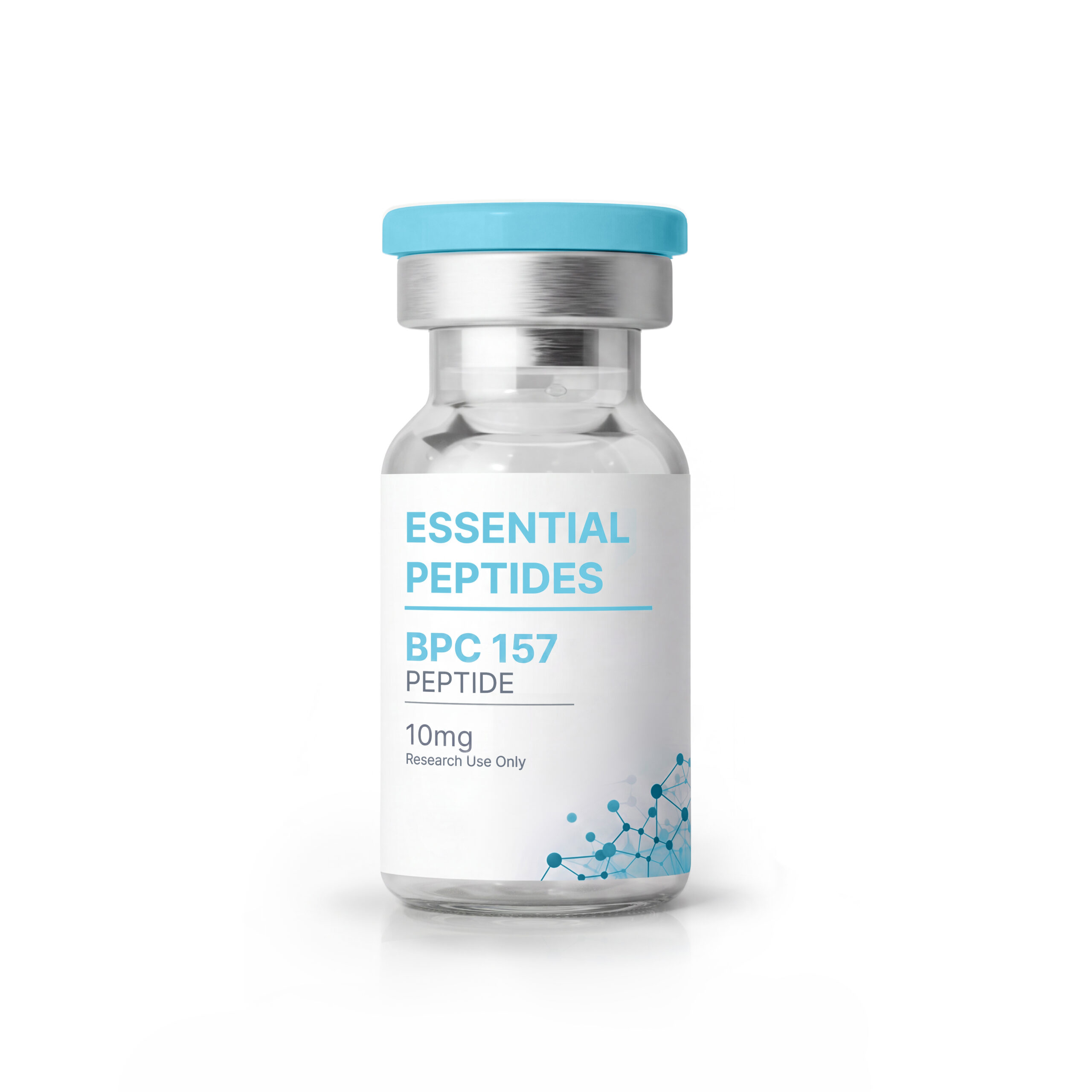
The growing interest in peptide science has created a greater need for reliable information about laboratory materials and responsible sourcing. Anyone evaluating a research peptide supplier should understand that product quality, analytical documentation, transparent specifications, and appropriate research-use labeling are important considerations. The phrase BPC-157 UK is also increasingly associated with discussions about experimental peptide research, although BPC-157 is not an authorised medicine for human use in the UK. A research peptide supplier should therefore be evaluated according to scientific and regulatory standards rather than marketing claims, while BPC-157 UK searches should be approached with an understanding of its experimental status and limited human evidence. Current sources indicate that BPC-157 remains unlicensed for human therapeutic use in the UK and is primarily discussed in the context of laboratory research.
When choosing a research peptide supplier, researchers and laboratories should look beyond attractive product descriptions and examine the information provided for individual batches. A credible supplier should make the intended research use clear and provide meaningful analytical documentation. Certificates of analysis, batch identification, purity testing, and identity confirmation can help researchers understand what material has been supplied. This is particularly relevant for experimental compounds because research-use materials do not go through the same regulatory approval process as licensed medicines. BPC-157 UK research discussions similarly highlight the importance of distinguishing experimental laboratory materials from approved pharmaceutical products. BPC-157 has not received UK marketing authorisation for treating, preventing, or diagnosing medical conditions.
The Importance of Analytical Documentation
Analytical documentation is one of the most useful factors when assessing research materials. A Certificate of Analysis, commonly called a CoA, can provide information about a particular batch rather than simply describing a supplier's general product range. Researchers may look for details such as batch numbers, analytical methods, reported purity, molecular identity, manufacturing information, and testing dates.
High-performance liquid chromatography, or HPLC, is frequently used to assess peptide purity. Mass spectrometry can provide additional information about molecular identity. When these analytical methods are combined with batch-specific documentation, researchers have a stronger basis for evaluating the material they receive. However, a reported purity percentage should not automatically be interpreted as evidence of safety, sterility, biological effectiveness, or suitability for human administration.
Understanding BPC-157 Research
BPC-157 is a synthetic pentadecapeptide consisting of 15 amino acids. Scientific literature has investigated the compound primarily through preclinical models, including studies involving tissue biology, gastrointestinal physiology, vascular signalling, and other biological processes. However, the amount of available human evidence is extremely limited compared with the volume of online discussion surrounding the compound. A recent research profile notes that most of the evidence remains preclinical and that significant gaps remain in areas such as human pharmacokinetics, long-term exposure, and robust clinical efficacy.
This distinction between scientific investigation and therapeutic evidence is important. Laboratory findings can provide useful directions for future research, but observations in experimental models cannot automatically be transferred to people. Researchers should therefore use peer-reviewed scientific literature and appropriate institutional procedures when evaluating experimental peptides.
Research Use Only Means Exactly That
The phrase "research use only" has an important meaning in the peptide marketplace. It indicates that the material is intended for laboratory investigation rather than administration to people or animals. A research-use product should not be presented as an approved treatment, and a disclaimer does not transform an unlicensed medicine into an authorised pharmaceutical.
In the UK, BPC-157 is not authorised as a human medicine. Current research-oriented sources describe it as an experimental compound supplied within a research-use framework rather than as a clinically approved treatment.
This is why responsible suppliers should avoid unsupported medical promises. Product information should focus on scientific characteristics, analytical testing, and legitimate research applications rather than claiming that an experimental compound can diagnose, prevent, or treat a particular condition.
Evaluating Supplier Transparency
Transparency is another important part of responsible scientific sourcing. A research peptide supplier should make it reasonably clear what is being supplied, how it has been tested, and what documentation accompanies the batch. Information about analytical methodology can be particularly useful because it gives laboratories greater insight into how reported specifications were established.
Researchers can also compare documentation across suppliers rather than relying exclusively on advertising language. A supplier that provides accessible batch information and clearly explains its testing approach offers researchers more useful information for procurement decisions. Independent testing can provide another layer of verification, although researchers should still review the actual documentation and understand what each test demonstrates.
The distinction between purity and overall quality is also essential. HPLC purity does not necessarily establish sterility, endotoxin levels, stability, biological activity, or suitability for clinical applications. Each characteristic requires appropriate testing and interpretation.
The Role of Responsible Peptide Research
Experimental peptide research can contribute to scientific understanding when conducted under suitable laboratory conditions and research governance. Researchers may investigate peptide structure, analytical characteristics, molecular interactions, cellular pathways, and other scientific questions without assuming that experimental findings represent established medical benefits.
BPC-157 is a useful example of why this distinction matters. Despite considerable preclinical interest, authoritative research summaries continue to identify major limitations in the human evidence. A 2025 review cited by current research sources found that the overwhelming majority of relevant studies were preclinical, reinforcing the need for caution when interpreting claims about potential effects.
Making an Informed Supplier Comparison
When comparing suppliers, researchers should consider whether product information is consistent, whether batch-specific documentation is available, and whether the supplier clearly separates laboratory research from medical use. Transparent specifications can make procurement easier because researchers can assess materials using objective information rather than promotional claims.
It is also sensible to examine whether a supplier explains its analytical processes clearly. For example, documentation identifying the testing laboratory, method used, batch number, and reported findings can be more useful than a generic statement that a product is "high purity." Proper record keeping can also help laboratories maintain traceability within their own research workflows.
Why Scientific Accuracy Matters
Accurate terminology is particularly important in an area where online marketing can easily blur the line between research and medicine. Describing an experimental peptide as a research material is fundamentally different from presenting it as a treatment. Researchers, purchasing teams, and readers should therefore evaluate claims according to available evidence and regulatory status.
For anyone researching BPC-157 UK information, the central point is that the compound remains experimental and is not authorised as a human medicine in the UK. Likewise, selecting a research peptide supplier should involve examining analytical evidence, batch documentation, transparency, and appropriate research-use labeling rather than relying on therapeutic promises.
A Responsible Approach to Peptide Sourcing
Responsible sourcing ultimately supports better research. Laboratories need materials that are clearly identified, appropriately documented, and represented accurately. Suppliers have an important role in providing transparent information, while researchers have a responsibility to interpret analytical results correctly and follow applicable laboratory and institutional requirements.
Essential-Peptides.com can be considered within this broader conversation about research peptide sourcing, where transparency and scientific responsibility should remain central. Essential-Peptides.com should be evaluated on the quality of its available documentation, clarity of research-use information, and consistency of its product specifications rather than on unsupported claims about experimental compounds. Essential-Peptides.com can serve as a point of reference for readers interested in understanding research peptide sourcing, provided that all experimental materials are treated strictly within their appropriate scientific and regulatory context.


Comments
Post a Comment