Understanding Hair Transplant Options and Hair Loss Clinics in Essex
Hair loss can begin quietly, with a slightly receding hairline, a widening parting, or more visible scalp around the crown. Over time, these changes can affect appearance and confidence, encouraging people to explore professional solutions. For individuals considering Hair Transplant Essex, understanding the available procedures, consultation process, suitability factors, and expected outcomes is important before making a decision. Hair restoration is not simply about adding hair to thinning areas; it involves careful assessment of existing follicles, facial proportions, donor supply, and long-term hair patterns. A well-planned approach can support natural-looking and sustainable restoration.
Why Hair Transplantation Requires Careful Planning
A hair transplant is a surgical procedure that relocates healthy hair follicles from a donor region, commonly the back or sides of the scalp, to areas affected by thinning or baldness. When researching Hair Transplant Essex, prospective patients should consider more than the advertised procedure or headline price. A thorough assessment can determine whether sufficient donor hair exists and whether transplantation is appropriate for the current stage of hair loss. Factors such as age, family history, hair characteristics, scalp condition, and future thinning can influence the treatment plan. Careful planning helps create results that complement existing hair rather than appearing artificially dense.
Understanding Common Hair Restoration Techniques
Modern hair transplantation generally involves techniques designed to harvest and place individual follicles with precision. Follicular Unit Extraction, commonly known as FUE, involves removing individual follicular units from the donor area before placing them into carefully prepared recipient sites. Another approach, Follicular Unit Transplantation, involves removing a strip of donor tissue and separating it into individual grafts for transplantation. The appropriate method depends on individual circumstances rather than a single universally suitable technique. During consultation, a qualified practitioner can discuss donor density, hair characteristics, expected healing, and the potential advantages and limitations associated with each approach.
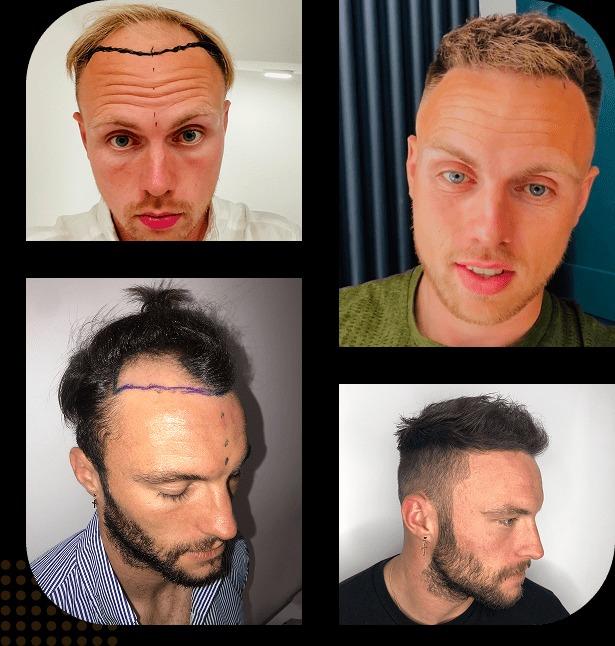
Choosing the Right Clinic for Professional Guidance
Selecting a suitable clinic is an important part of the hair restoration journey because the quality of assessment and surgical planning can influence the final appearance. Anyone searching for a Hair loss clinic Essex should examine the qualifications and experience of the medical professionals involved, the consultation process, treatment information, aftercare arrangements, and transparency regarding potential risks. A reputable clinic should provide realistic expectations rather than promising guaranteed results. Patients should also have an opportunity to discuss their medical history, existing medications, previous treatments, and concerns about future hair loss before deciding whether transplantation is appropriate.
What to Expect During Consultation and Treatment
A professional consultation usually begins with an examination of the scalp and a discussion about the pattern and progression of hair loss. When visiting a Hair loss clinic Essex, patients may receive an assessment of donor hair density and the areas requiring coverage. Photographs or scalp analysis can sometimes assist with planning, while medical history helps identify factors that may affect treatment or recovery. If transplantation is considered suitable, the practitioner can explain the proposed hairline, estimated graft requirements, surgical technique, recovery period, and possible risks. Understanding each stage beforehand allows patients to make informed decisions without unrealistic expectations.
Recovery and the Development of Results
Hair transplantation requires patience because newly transplanted follicles do not immediately produce a finished result. Following treatment, temporary redness, swelling, tenderness, or small scabs may occur around the treated areas, although recovery experiences vary. Newly transplanted hairs can shed during an early stage before follicles gradually enter a new growth cycle. Visible improvement generally develops progressively rather than overnight. Following aftercare instructions carefully can support proper healing and protect transplanted follicles during the early recovery period. Regular communication with the treating medical team can also help address concerns and monitor progress during the months following treatment.
Factors That Can Influence Long-Term Outcomes
Several factors can affect the appearance and longevity of hair transplant results. The quality and availability of donor follicles are particularly important because transplanted hair depends on a suitable supply of healthy grafts. Hair calibre, curl pattern, skin characteristics, existing density, and the extent of future hair loss can also influence visual coverage. A carefully designed hairline should account for both present appearance and potential changes over time. Patients should understand that transplantation redistributes existing follicles rather than creating unlimited new hair. Appropriate medical advice may also help manage ongoing hair loss in non-transplanted areas.
Making an Informed Decision About Hair Restoration
Choosing hair restoration should involve realistic expectations, professional assessment, and sufficient time to compare available options. A consultation can clarify whether transplantation is appropriate or whether alternative approaches may be more suitable for a particular pattern of hair loss. Reviewing practitioner credentials, treatment methods, aftercare arrangements, potential complications, and expected timelines can provide greater confidence when comparing providers. Cost can also be relevant, but it should not be the only consideration when evaluating treatment. The priority should remain safe care, appropriate planning, and a result that appears natural as the hair develops and matures.
Conclusion
Hair restoration can provide a practical option for suitable candidates experiencing persistent thinning or baldness, but successful treatment depends on careful assessment, realistic expectations, and experienced clinical planning. Anyone considering Hair Transplant Essex should understand the procedure, recovery process, donor limitations, and potential long-term changes before proceeding. Similarly, choosing an established Hair loss clinic Essex can help ensure that treatment options and expectations are discussed clearly. For further information about professional hair restoration services, capitalhairrestoration.co.uk can be considered as part of the research process. A personalised consultation remains the most appropriate way to determine suitability.


Comments
Post a Comment