Understanding Hair Restoration Options for Lasting Confidence and Natural Results
Hair can strongly influence how a person views personal appearance, making unexpected thinning or recession emotionally difficult. Hair loss may develop gradually because of genetics, ageing, hormonal changes, stress, nutritional deficiencies, or certain medical conditions. Understanding the underlying cause is therefore an important first step before considering treatment. A reputable Hair loss clinic Essex can provide professional assessment and explain suitable options according to individual circumstances. Rather than choosing a procedure based only on advertisements, patients can benefit from understanding diagnosis, treatment suitability, realistic outcomes, and the importance of professional guidance before making decisions.
For many people, noticing increased shedding creates uncertainty about whether the problem is temporary or progressive. A detailed consultation can help distinguish common genetic hair loss from conditions that may require medical attention. At a Hair loss clinic Essex, assessment may involve examining the scalp, discussing medical history, reviewing family patterns, and considering lifestyle factors that could influence hair growth. This approach allows treatment recommendations to be based on individual needs instead of assumptions. Early professional advice can also help people understand whether medication, monitoring, lifestyle changes, or surgical restoration may be appropriate.
Preparing for a Hair Restoration Consultation
A consultation is an important stage because hair restoration should be approached as a long-term decision rather than a quick cosmetic solution. During an appointment, patients can discuss the areas affected by thinning, previous treatments, expectations, and possible future hair loss. Photographs and scalp assessments may help professionals evaluate density and identify patterns. Questions about recovery, treatment techniques, potential risks, and expected results should be encouraged. Clear communication can make the process easier to understand and reduce unrealistic expectations, particularly when deciding whether a surgical procedure is suitable for the individual.
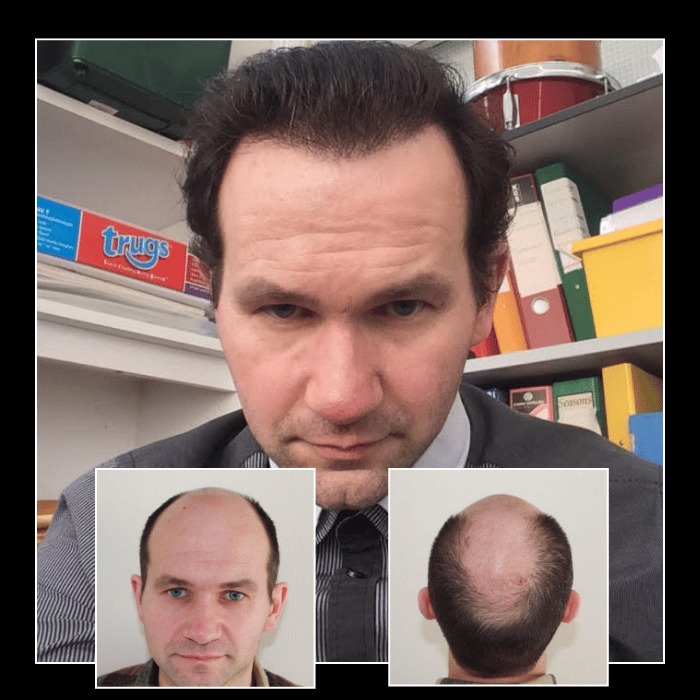
How Hair Transplant Procedures Work
A hair transplant generally involves moving healthy hair follicles from a donor area to regions affected by thinning or recession. Modern techniques are designed to preserve follicle viability while creating a natural-looking distribution across the recipient area. Before treatment, factors such as donor density, hair characteristics, facial proportions, and the expected progression of hair loss may be considered. A carefully planned procedure aims to produce results that complement the individual's appearance rather than simply adding maximum density. Understanding the technique and its limitations can help patients approach restoration with practical expectations.
Considering Hair Transplant Options in Brentwood
Location can be an important consideration when researching hair restoration, particularly because consultations and follow-up appointments may form part of the overall treatment journey. People exploring a hair transplant Brentwood option can compare clinics according to professional qualifications, consultation standards, treatment methods, aftercare arrangements, and transparency regarding expected results. Convenience should not be the only deciding factor, however. The quality of assessment and suitability of the proposed treatment remain important considerations. A carefully selected clinic should explain the procedure clearly, discuss possible limitations, and provide information that allows prospective patients to make an informed decision.
Patients considering a hair transplant Brentwood procedure may also benefit from understanding what happens after surgery. Recovery varies between individuals, and temporary redness, swelling, scabbing, or shedding can occur during the healing process. Newly transplanted follicles typically require time before visible growth becomes noticeable, meaning patience is an important part of the experience. Following aftercare instructions can support proper healing and protect the treated area. A professional consultation should explain recovery expectations, restrictions, follow-up requirements, and the approximate timeline for observing progressive changes in hair density and appearance.
Why Natural Results Require Careful Planning
Natural-looking restoration depends on more than simply placing follicles into areas with reduced density. The design of the hairline, angle of follicle placement, spacing, donor availability, and existing hair pattern can all influence the final appearance. For someone researching a hair transplant Brentwood treatment, reviewing these factors during consultation can provide a clearer understanding of what is realistically achievable. Hair characteristics such as thickness, texture, colour, and curl can also affect visual density. Careful planning is particularly important because transplanted follicles are intended to provide long-term improvement rather than a temporary cosmetic change.
Maintaining Expectations During the Recovery Journey
Hair restoration requires realistic expectations because visible improvement does not usually occur immediately. Transplanted follicles need time to settle and enter their normal growth cycle, while surrounding hair may continue to change naturally. Temporary shedding can sometimes occur during the recovery period, which may cause concern if expectations have not been explained beforehand. Regular communication with a qualified professional can help patients understand normal stages of recovery and identify concerns that may require attention. Patience, appropriate aftercare, and realistic goals can contribute to a more positive treatment experience and a clearer understanding of gradual progress.
Conclusion
Choosing hair restoration is a personal decision that benefits from careful research, professional assessment, and realistic expectations. The most suitable approach depends on factors such as the cause of hair loss, donor hair availability, age, existing density, and individual goals. Comparing consultation standards and aftercare provisions can help prospective patients make more informed choices. For those researching treatment providers, capitalhairrestoration.co.uk can be considered alongside other relevant professional options. Ultimately, successful restoration should focus on suitability, natural appearance, responsible planning, and long-term expectations rather than promises of instant or guaranteed results.


Comments
Post a Comment