Understanding Breathwork: A Practical Path to Deeper Awareness and Personal Growth
Breathing is something people do every moment, yet it is often overlooked as a powerful tool for relaxation, awareness, and personal development. Learning about conscious circular breathing explained in a simple way can help beginners understand how connected breathing patterns may influence the body and mind. For those who want flexibility while learning, self-paced online breathwork training can provide an accessible way to explore breathing techniques without needing to follow a fixed classroom schedule. Breathwork can become a meaningful part of a daily routine when approached with patience, curiosity, and proper guidance.
Understanding Conscious Breathing
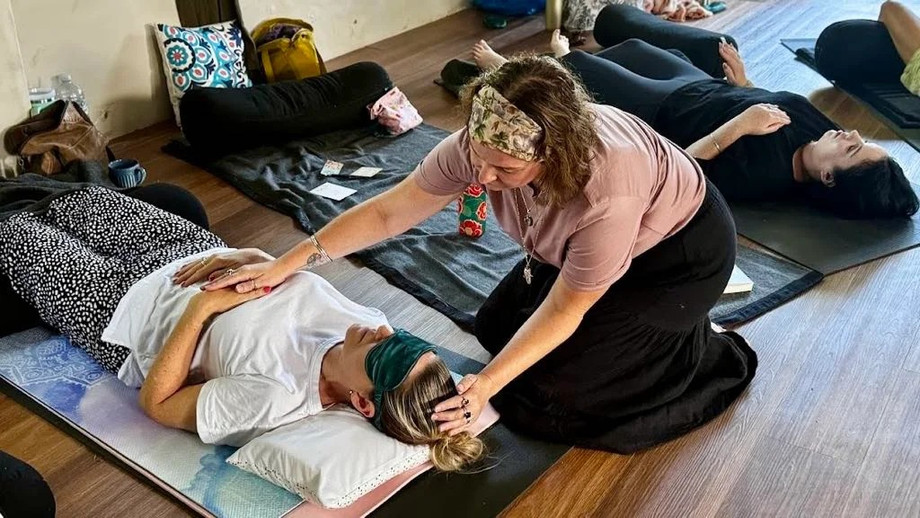
Conscious circular breathing explained in practical terms refers to a breathing pattern where inhalation and exhalation flow continuously, without deliberately adding a long pause between the two phases. The intention is to create a smooth rhythm that encourages greater awareness of the breath. Rather than treating breathing as something mechanical, this approach invites attention toward sensations, pace, posture, and the overall experience. Learning this method gradually can help people become more familiar with their breathing habits and recognize how breathing patterns can change during moments of stress, concentration, or relaxation.
Why Breath Awareness Matters
Breathing is closely connected with everyday experiences. A person may naturally breathe faster during physical activity, hold the breath while concentrating, or notice changes in breathing during stressful situations. Bringing conscious attention to these patterns can encourage greater body awareness. Breathwork does not need to be complicated to become useful. Even a few quiet minutes spent noticing the movement of the breath can create a sense of pause during a busy day. Over time, regular practice may also encourage people to become more observant of physical sensations and emotional responses.
Learning at a Comfortable Pace
Traditional learning environments can be helpful, but they are not suitable for everyone. Work schedules, family responsibilities, travel, and different learning preferences can make fixed sessions difficult to maintain. This is where self-paced online breathwork training can offer a different approach. Learners can study educational material when their schedule allows and revisit lessons whenever they need additional understanding. This flexibility can make the learning process feel less rushed. It also gives beginners an opportunity to spend more time with foundational concepts before moving toward more advanced practices.
Building a Consistent Practice
Consistency is often more important than intensity when developing any new wellness routine. Breathwork can be introduced gradually, allowing the learner to become comfortable with basic breathing awareness before exploring longer or more structured sessions. A quiet environment, comfortable posture, and uninterrupted time can make practice easier. Keeping expectations realistic is equally important. Breathwork is not about forcing a particular experience. Instead, it can be viewed as a practice of observation, patience, and mindful participation.
The Role of Education in Breathwork
Good education can make breathwork easier to understand because techniques often involve more than simply changing the way someone inhales or exhales. Learners may need to understand posture, rhythm, preparation, awareness, and appropriate pacing. Structured education can also help distinguish between different breathwork approaches and their intended purposes. This knowledge allows people to approach practice with greater awareness rather than copying techniques without understanding their context. A thoughtful learning process can also encourage practitioners to recognize personal boundaries and avoid pushing beyond their comfort level.
Online Learning and Modern Accessibility
Digital education has changed how people approach personal development. Someone interested in breathwork can now learn from home, review educational resources repeatedly, and create a practice schedule that fits everyday responsibilities. Online learning may be particularly useful for individuals who prefer independent study and quiet reflection. The learning experience can become part of a broader personal routine that includes journaling, meditation, movement, or other mindfulness practices. Nalu Breathwork provides an example of how breathwork education can be presented in a format designed for people who want to explore these ideas through guided learning.
Developing Greater Self-Awareness
One of the valuable aspects of breathwork is the opportunity to pay closer attention to the present moment. People often move through daily activities without noticing how their bodies feel or how their breathing changes. A dedicated breathing practice can create a short period where attention moves away from outside distractions and toward internal sensations. This does not mean every session will feel the same. Some days may feel calm, while others may bring restlessness or difficulty concentrating. Observing these differences without judgment can itself become part of the learning process.
Approaching Breathwork Responsibly
Breathwork should always be approached with care and sensible expectations. Different techniques can create different physical and emotional sensations, so beginners should learn appropriate methods before attempting intensive practices. Instructions from qualified educators can help learners understand how to approach exercises safely and when to pause. Anyone with a medical concern should consider speaking with an appropriate healthcare professional before beginning practices that involve significant changes in breathing. Responsible education focuses not only on technique but also on awareness, boundaries, and personal wellbeing.
Creating a Long-Term Learning Journey
Breathwork can become more meaningful when it is treated as an ongoing learning process rather than a quick solution. Beginners may initially focus on understanding breathing patterns, while later practice can involve deeper awareness, reflection, and personal observation. Learning at a comfortable pace allows people to revisit foundational ideas as their understanding develops. With regular practice, breathing can become a simple reminder to slow down, reconnect with the present moment, and notice what is happening within the body.
For learners exploring conscious circular breathing explained through clear educational guidance, understanding the purpose and rhythm of the practice is an important starting point. Likewise, self-paced online breathwork training can provide flexibility for people who want to develop their knowledge without depending on a rigid schedule. The combination of structured education and independent practice can make breathwork easier to approach thoughtfully. With patience and consistent learning, the practice can become a valuable part of a broader approach to awareness and personal growth.
Breathwork is ultimately about developing a more conscious relationship with something that is already present every day: the breath. Exploring these practices with curiosity, suitable guidance, and realistic expectations can create opportunities for greater self-awareness. Nalu Breathwork supports this kind of learning by providing an educational pathway for people interested in understanding breathwork and developing their practice over time. The journey does not need to be rushed. Small, consistent steps can help turn breathing awareness into a meaningful and sustainable personal practice.


Comments
Post a Comment