tDCS Placement for Sleep: Understanding Brain Stimulation Research
Sleep is essential for memory, emotional regulation, physical recovery, and overall health. As interest in neuroscience grows, some consumers search for Tdcs Placement For Sleep and information about the brain driver electrode placement. While researchers have investigated electrical brain stimulation and sleep, consumers should be careful not to treat experimental findings as personalized treatment instructions.
Why Study tDCS and Sleep?
Researchers are interested in whether non-invasive brain stimulation can influence neural activity associated with sleep. Studies have explored questions involving sleep quality, sleep architecture, memory consolidation, and related neurological processes. Results, however, can vary. Sleep is influenced by many factors, including stress, circadian rhythms, medications, environment, physical health, and existing sleep disorders.
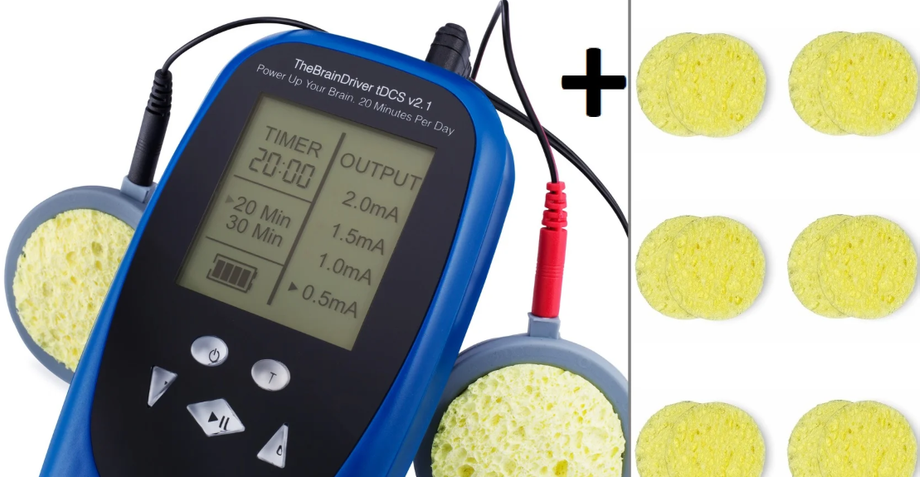
Understanding tDCS Placement for Sleep
Tdcs Placement For Sleep refers generally to electrode arrangements investigated in research involving sleep-related outcomes. Different studies can use different approaches depending on their scientific objective. There is therefore no universal placement that should be considered appropriate for everyone seeking better sleep.
What About Brain Driver Electrode Placement?
People searching for the brain driver electrode placement may be trying to understand how a particular consumer system positions its electrodes. Product-specific placement should always be based on the manufacturer's approved documentation rather than an unrelated online diagram. Research involving one device or protocol should not automatically be transferred to another.
Sleep Problems Need Proper Evaluation
People experiencing persistent insomnia, excessive daytime sleepiness, frequent nighttime waking, or other sleep difficulties may have an underlying condition that requires assessment. Brain stimulation should not replace evidence-based sleep evaluation or established approaches such as maintaining consistent sleep schedules, addressing environmental factors, and discussing persistent symptoms with a healthcare professional.
Safety Matters
tDCS involves electrical stimulation of the head, so users should follow all safety instructions associated with their equipment. Homemade devices and improvised electrode configurations should be avoided. Anyone considering brain stimulation for a sleep disorder should discuss the option with an appropriately qualified professional.
Conclusion
Interest in Tdcs Placement For Sleep reflects the broader effort to understand how non-invasive brain stimulation may interact with sleep and memory. Research remains an evolving field, and the brain driver electrode placement should never be copied from an unverified source as a substitute for professional guidance. For better sleep, established sleep-health practices and appropriate medical evaluation remain the foundation, while tDCS research should be viewed as an emerging scientific area rather than a guaranteed solution.


Comments
Post a Comment