How Modern Hair Restoration Can Restore Confidence and Natural Hair Growth
Losing hair can change more than appearance; it can affect confidence, daily routines, and the way a person feels in social situations. Fortunately, modern hair restoration has developed into a carefully planned process rather than a simple cosmetic procedure. People considering hair transplant Brentwood options often want results that appear natural, suit their facial features, and remain manageable over time. Understanding the causes of hair loss, available treatments, consultation procedures, and recovery expectations can make the decision easier. This article explores important considerations while explaining why professional assessment remains central to achieving realistic and balanced outcomes.
Understanding the Causes Behind Hair Loss
Hair loss can develop for many reasons, including genetics, hormonal changes, ageing, nutritional deficiencies, stress, certain medical conditions, or lifestyle factors. Since every person's situation differs, identifying the underlying cause should come before choosing a treatment. Someone researching hair transplant Brentwood services may assume surgery is immediately necessary, although that may not always be appropriate. A professional assessment can determine whether thinning is temporary, progressive, or associated with permanent follicle damage. This distinction helps establish suitable expectations and allows treatment decisions to focus on long-term hair health rather than short-term cosmetic improvement.
Why Professional Assessment Matters Before Treatment
A thorough consultation provides an opportunity to examine the scalp, evaluate hair density, understand the pattern of thinning, and discuss personal expectations. Photographs and medical history may also help specialists assess how hair loss has developed over time. A qualified practitioner can explain whether restoration, medication, monitoring, or another approach may be more suitable. Clear communication is particularly important because hair transplantation cannot recreate unlimited density. Donor hair is naturally limited, meaning careful planning is required to distribute available follicles effectively. A realistic treatment plan therefore considers present hair loss as well as possible future progression.
Choosing a Suitable Hair Restoration Approach
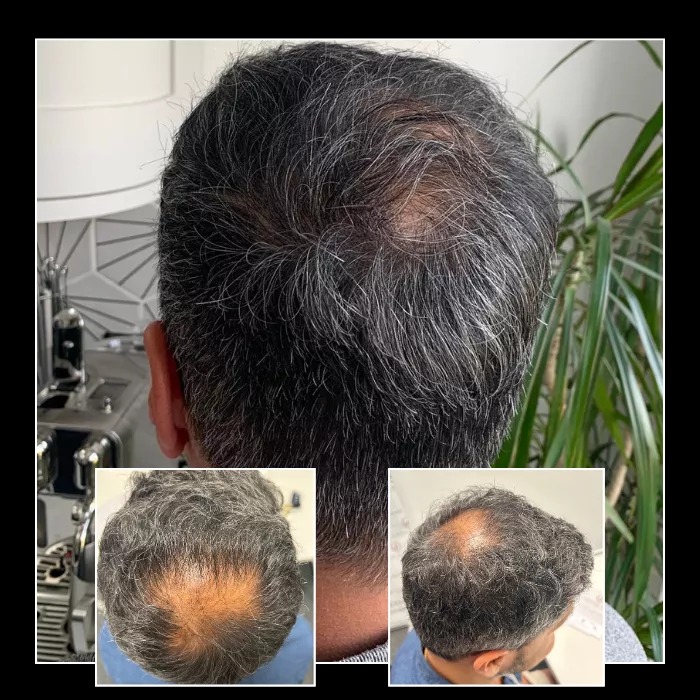
Modern restoration techniques generally focus on moving healthy follicles from a donor region to areas affected by thinning or baldness. Different methods may be considered depending on follicle quality, donor availability, hair characteristics, and the size of the treatment area. Individuals exploring a Hair loss clinic Essex option should consider the experience of the medical team, consultation standards, treatment planning, and aftercare arrangements rather than selecting a provider based only on price. A suitable approach should prioritise natural placement, appropriate follicle distribution, and preservation of the existing hair wherever possible during treatment.
Planning for Natural-Looking Results
Natural results depend heavily on planning rather than simply increasing the number of transplanted follicles. Hairline design, follicle direction, graft placement, and density must work together to create an appearance that complements the individual's age and facial structure. A reputable Hair loss clinic Essex provider should explain these factors before treatment and avoid promising unrealistic outcomes. Existing hair can also continue thinning after transplantation, so long-term planning may be important. Patients should understand that transplanted follicles generally require time to establish growth, making patience an essential part of the restoration process.
Understanding Recovery and Hair Growth Timelines
Recovery following a hair restoration procedure varies according to the technique used, treatment size, and individual healing response. Mild redness, sensitivity, swelling, or temporary shedding can occur during the early stages. Following professional aftercare instructions can help protect the treated area while healing takes place. New growth does not normally appear immediately, because transplanted follicles require time to enter their natural growth cycle. Initial changes may therefore be subtle, with more noticeable improvement developing gradually. Understanding this timeline can reduce unnecessary concern and encourage realistic expectations throughout the recovery period.
Maintaining Hair Health After Restoration
Hair restoration should not be viewed as the end of hair-care management. Existing non-transplanted hair may remain vulnerable to genetic or age-related thinning, making continued attention to scalp and hair health valuable. Gentle hair-care practices, balanced nutrition, appropriate medical guidance, and regular professional reviews can support long-term management. Any recommended medication should be discussed with a qualified healthcare professional, particularly when other medicines or health considerations are involved. A broader approach can help preserve existing density while allowing transplanted follicles to develop naturally and contribute to a balanced overall appearance.
Making an Informed Decision About Treatment
Choosing hair restoration is a personal decision that deserves careful consideration rather than rushed action. Prospective patients should understand the potential benefits, limitations, costs, recovery period, and possible need for future treatment before proceeding. Comparing consultations can also help reveal differences in treatment philosophy and communication standards. The most appropriate provider should offer transparent information and avoid guaranteeing identical results for every patient. Hair characteristics, donor supply, age, genetics, and individual healing can all influence outcomes. Taking sufficient time to understand these variables allows expectations to remain practical and decisions to be based on informed judgment.
Conclusion
Effective hair restoration combines medical assessment, thoughtful planning, appropriate technique, and realistic expectations. The objective should be a natural appearance that works with existing facial features rather than an unnecessarily dense or artificial result. People considering professional treatment can research available providers and discuss their individual circumstances during a detailed consultation. For additional information and professional hair restoration services, capitalhairrestoration.co.uk can be considered as part of that research. A carefully planned Hair loss clinic Essex consultation can help clarify suitable options, while understanding long-term requirements makes the overall restoration journey more predictable.


Comments
Post a Comment