Hair Transplant Options: A Guide to Natural and Lasting Results
Hair thinning can change more than a hairstyle; it can influence confidence, photographs, and everyday social interactions. For many people, noticing a widening hairline or a thinning crown raises questions about whether permanent restoration is possible. Hair Transplant Essex services are often considered by individuals seeking a longer-term solution to patterned hair loss. The main consideration is not simply replacing lost hair, but creating a natural result suited to facial proportions, existing density, and future hair loss. Understanding consultation, technique, recovery, and realistic expectations can help patients approach treatment clearly.
Understanding the Importance of Personalised Assessment
A successful restoration begins with understanding why hair is thinning and whether transplantation is appropriate. During an assessment, factors such as donor hair availability, scalp condition, family history, age, and the pattern of loss may be considered. Choosing Hair Transplant Essex treatment should therefore involve more than comparing advertised prices or dramatic before-and-after photographs. A qualified clinical team can assess progression of hair loss and discuss suitable options. This personalised planning is important because transplanted follicles need to complement existing hair, while donor resources remain limited and require careful management.
How Modern Hair Transplantation Works
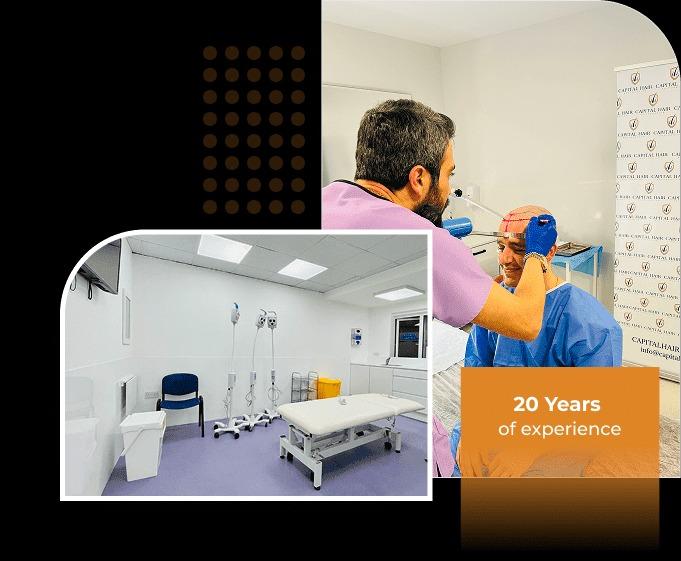
Modern transplantation generally focuses on moving healthy follicles from a donor area to regions affected by thinning. Techniques can vary, but follicular unit extraction is commonly discussed because individual grafts can be harvested and placed according to the planned hairline and density. The procedure is designed around natural growth direction rather than creating a uniform, artificial appearance. Patients should also understand that transplanted hair does not create instant fullness. Newly placed follicles require time to settle, and visible growth develops gradually. A consultation can explain technique, suitability, and expected stages.
Considering Location and Treatment Convenience
Location can influence convenience, particularly when consultations and follow-up appointments are needed. People considering hair transplant Brentwood options may prefer a clinic that is accessible while still prioritising appropriate clinical standards and personalised planning. Distance alone, however, should not determine a treatment decision. Patients can compare consultation processes, practitioner qualifications, treatment methods, aftercare arrangements, and evidence of previous outcomes. A convenient location can make follow-up easier, but the quality of assessment and surgical planning remains more important than simply choosing the nearest provider. Comparison supports an informed decision for patients.
Preparing for the Procedure and Recovery
Before choosing hair transplant Brentwood treatment, prospective patients should understand what happens before, during, and after the procedure. Preparation may involve discussing medication, scalp health, smoking, alcohol, and general medical history with the clinical team. After treatment, temporary redness, swelling, sensitivity, or small crusts can occur, depending on the individual and technique used. Following aftercare instructions carefully can support healing and protect newly implanted grafts. Patients should also be prepared for shedding before new growth becomes noticeable, which can be a normal part of recovery after transplantation for many patients.
Understanding the Timeline for Visible Results
Results from transplantation develop gradually, so expectations should remain realistic. During the early recovery period, the scalp may look different from the eventual result, while transplanted follicles adapt to their new location. New growth can take several months, and final density may continue improving over a longer period. Anyone researching hair transplant Brentwood providers should ask how results are assessed and what level of improvement can reasonably be expected. Photographs can provide useful context, but outcomes vary according to donor supply, hair characteristics, age, ongoing loss, healing, and treatment design.
Planning for Future Hair Changes
Hair restoration should also consider future changes rather than focusing only on areas showing visible thinning. Pattern hair loss can continue after transplantation, meaning a well-designed treatment plan may need to account for possible progression. Medical treatments may sometimes be discussed separately when appropriate, although suitability depends on individual circumstances and professional assessment. Maintaining a healthy scalp and following recommended aftercare can support overall hair condition. The overall goal should be a balanced appearance that remains appropriate as surrounding hair changes, rather than concentrating grafts too heavily in one isolated area.
Choosing a Suitable Hair Restoration Provider
Selecting a provider requires careful attention to clinical information rather than relying entirely on promotional language. A useful consultation should allow patients to ask about the practitioner performing the procedure, the proposed technique, donor management, expected recovery, risks, and follow-up arrangements. It can also be helpful to understand whether the quoted treatment plan is tailored to individual needs or based on a standard package. Transparent communication matters because transplantation is a medical procedure with limitations and potential complications. A measured approach allows patients to compare options realistically and avoid decisions based solely on short-term promises.
Making an Informed Decision About Hair Restoration
Hair transplantation can be a considered option for people experiencing suitable forms of permanent hair loss, but the decision should begin with professional assessment and realistic expectations. Understanding donor availability, treatment design, recovery, and long-term planning is essential before proceeding. For individuals exploring treatment options, capitalhairrestoration.co.uk can be considered as part of wider research into available services and consultation options. Ultimately, the appropriate choice depends on individual circumstances, clinical suitability, and informed discussion with a qualified clinician. Planning can help patients pursue a natural-looking result while maintaining realistic expectations about growth and density.


Comments
Post a Comment