Finding Inner Balance Through Conscious Breathwork
Breathing is one of the most natural things a person does, yet the way we breathe can have a meaningful influence on how we experience stress, emotions, and everyday life. Conscious breathing practices have become increasingly popular among people looking for ways to slow down, reconnect with themselves, and create greater awareness of their emotional state. For those exploring breathwork gold coast, breathwork gold coast sessions can provide an opportunity to discover how intentional breathing may support relaxation, mindfulness, and personal reflection. Breathwork is not simply about taking deeper breaths; it is about developing a more conscious relationship with the breath and using that awareness as part of a broader wellbeing practice.
Breathing patterns often change in response to emotions and circumstances. During stressful situations, breathing may become faster, shallower, or irregular. When someone feels calm and comfortable, breathing is generally slower and more relaxed. This natural connection between breathing and emotional states is one reason conscious breath practices can be valuable. A guided session can encourage participants to pay attention to their breathing without judgment, creating a quiet space for self-awareness. Instead of trying to force emotions away, the practice can help individuals notice what they are experiencing and develop a greater sense of presence.
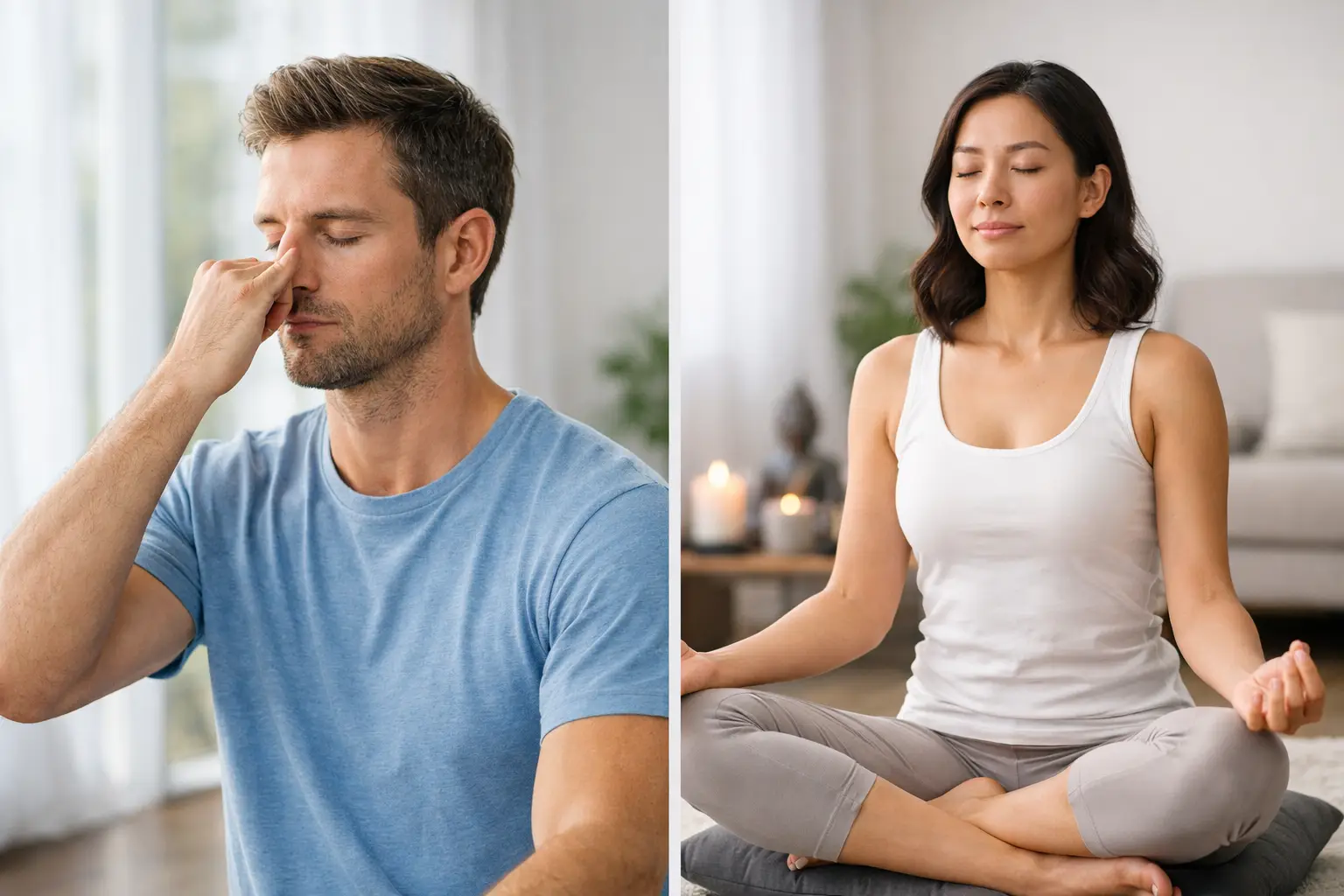
At the focus can be understood as creating an environment where people can explore conscious breathing at their own pace. Breathwork sessions may involve guided breathing patterns, periods of stillness, body awareness, and reflective practices. The experience can differ from person to person because everyone brings different experiences, emotions, and expectations into a session. Some people may primarily seek relaxation, while others may be interested in personal growth or developing a stronger connection with their emotions.
One area in which breathwork is often explored is emotional processing. Difficult experiences can sometimes leave people feeling overwhelmed, disconnected, or emotionally exhausted. Creating a safe and supportive environment for mindful breathing may help a person become more aware of physical sensations and emotional responses. This does not mean that breathing exercises can erase difficult experiences or replace professional mental health care. Rather, breathwork can be considered a complementary wellbeing practice that may sit alongside appropriate professional support when needed.
The relationship between breath and the nervous system is another reason people become interested in conscious breathing. Slow, controlled breathing can encourage relaxation and provide a simple way to pause during demanding moments. By focusing attention on each inhale and exhale, individuals may temporarily shift their attention away from racing thoughts and toward present-moment awareness. With regular practice, this mindful approach may become a useful part of a broader self-care routine.
For individuals dealing with loss and emotionally challenging transitions, breathwork for trauma and grief may offer a gentle space for reflection and connection. Trauma and grief are deeply personal experiences, and there is no single emotional process that works for everyone. Some people may find it helpful to reconnect with bodily sensations and breathing, while others may need different forms of support. A responsible breathwork approach should therefore respect individual boundaries and avoid promising instant emotional healing. Participants should feel empowered to pause, modify an exercise, or seek additional professional assistance whenever necessary.
A thoughtful breathwork session can also encourage people to become more familiar with their body's signals. Many individuals move through busy days without noticing tension in their shoulders, changes in their breathing, or signs of emotional fatigue. Bringing attention to these sensations can create an opportunity to slow down and respond more intentionally. This increased awareness may help people recognize when they need rest, space, movement, conversation, or another form of support.
Breathwork can also be incorporated into everyday routines without requiring a complicated setup. A few moments of quiet breathing in the morning, during a break, or before going to sleep can create a small transition between activities. The goal does not necessarily need to be achieving a particular emotional state. Instead, consistent practice can be about becoming more aware of the present moment and learning to observe breathing patterns with patience.
For anyone considering a guided session, it is important to choose an approach that emphasizes safety, clear communication, and personal boundaries. People respond differently to breathing exercises, and some techniques can feel intense. Individuals with particular physical or psychological concerns should consider discussing breathwork with an appropriately qualified healthcare professional before participating, especially when a practice involves prolonged or forceful breathing.
The growing interest in breath-centered wellbeing reflects a wider desire to find simple ways of reconnecting with the body and creating moments of calm. Breathwork does not need to be viewed as a solution to every challenge. Instead, it can be approached as a practice for awareness, reflection, and relaxation. For people exploring breathwork for trauma and grief, maintaining realistic expectations and choosing supportive guidance can be particularly important. At conscious breathing can be explored as part of a personal journey toward greater self-awareness, while recognizing that deeper emotional concerns may require specialized professional care.
Ultimately, every breath provides a small opportunity to pause and notice the present moment. Whether someone is beginning a mindfulness journey, seeking greater relaxation, or simply becoming curious about conscious breathing, breathwork can offer a meaningful way to explore the connection between breath, body, and awareness. With patience and an appropriate approach, intentional breathing may become a valuable part of a balanced wellbeing routine.


Comments
Post a Comment