Finding Deeper Connection Through Breathwork Retreats in Australia
Breathwork is becoming an increasingly meaningful way for people to slow down, reconnect with themselves, and develop a deeper understanding of conscious breathing. For those interested in taking this practice further, breathwork teacher training retreat australia can provide an immersive environment where learning and personal exploration happen together. A retreat can also be a valuable opportunity to step away from everyday responsibilities and focus on breathing techniques, self-awareness, facilitation skills, and mindful living. Rather than learning only through occasional sessions, participants can experience a dedicated period of practice that encourages consistency and reflection. This kind of immersive experience can make breathwork feel more practical, grounded, and connected to everyday life.
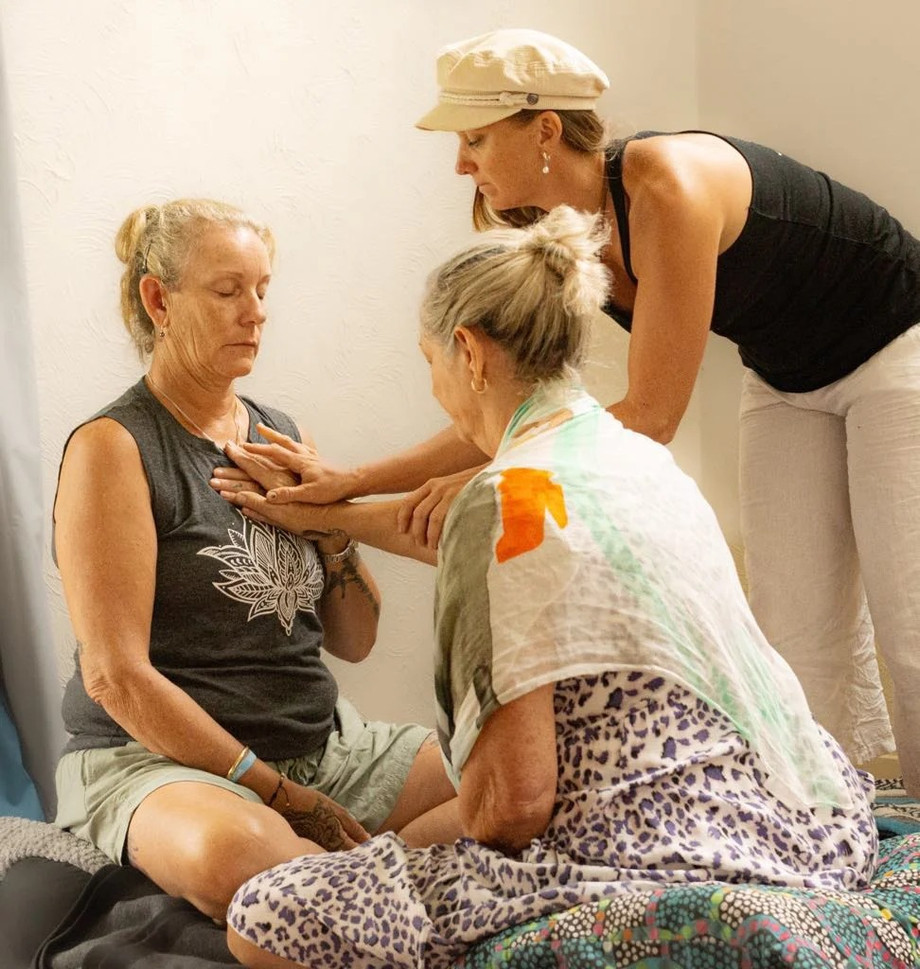
Choosing a retreat requires more than simply finding a beautiful location. A meaningful breathwork teacher training retreat australia experience should create space for both education and personal development. Participants may explore different breathing methods, understand how breath influences physical and emotional states, and learn how to create a supportive environment for others. Teacher training can also introduce important principles around communication, presence, observation, and responsible facilitation. These areas matter because guiding another person through breathwork requires patience and awareness. A retreat setting can make this learning more engaging because participants have time to practice, ask questions, receive feedback, and reflect on what they are discovering throughout the process.
Why Retreat Learning Feels Different
Traditional courses can provide useful information, but retreats offer a different rhythm of learning. Instead of moving quickly between work, family commitments, and study, participants can dedicate several days to one area of personal development. This uninterrupted time can encourage deeper concentration and allow new techniques to become familiar through repeated practice. Breathwork sessions can be combined with periods of quiet reflection, movement, discussion, and relaxation. The surrounding environment can also influence the experience, especially when a retreat takes place somewhere peaceful and naturally spacious.
Australia offers many environments that can complement a retreat experience. Coastal areas, countryside settings, forests, and secluded wellness spaces can provide a calm atmosphere for participants who want to disconnect from busy routines. The location itself does not create transformation, but it can make it easier to establish a temporary sense of distance from normal distractions. When people have fewer interruptions, they may find it easier to notice breathing patterns, physical sensations, thoughts, and emotional responses that are often overlooked during a busy day.
Building Practical Facilitation Skills
Becoming comfortable with breathwork personally is different from learning how to guide another person. Teacher training therefore needs to include practical experience alongside theoretical understanding. Participants can learn how to introduce breathing exercises clearly, communicate instructions, observe participants, and maintain an appropriate atmosphere during a session. Practice can also help future facilitators become more confident with pacing and verbal guidance.
A good training environment encourages participants to learn gradually. Not every technique will feel the same for every person, and responsible teaching involves understanding individual differences. Learning to create appropriate boundaries is also important. Breathwork facilitators need to recognize that participants may have different experiences, expectations, and levels of familiarity with conscious breathing. A thoughtful training program can help students approach their future role with greater awareness rather than simply focusing on performing techniques.
The Value of Personal Practice
Personal practice remains an important part of developing as a breathwork teacher. Regular sessions can help individuals become more familiar with their own breathing habits and responses. This personal awareness can later support more authentic teaching because facilitators have direct experience with the practices they introduce.
A retreat can provide enough time to establish a consistent routine. Morning breathing sessions, guided practices, quiet periods, and evening reflection can create a natural structure without making the experience feel overly rigid. Over several days, participants may begin to recognize how different breathing patterns affect relaxation, focus, energy, or emotional awareness. These observations can become useful learning experiences that continue beyond the retreat.
Planning Around Retreat Dates
Timing is another important consideration when searching for a suitable retreat. People often have work, family, travel, and other responsibilities that influence when they can attend. Looking at upcoming breathwork retreat dates australia can make it easier to compare available opportunities and choose a period that allows enough preparation. Planning ahead can also provide time to arrange transportation, accommodation, personal commitments, and any additional requirements associated with the program.
It is useful to consider the structure of the retreat before making arrangements. Some programs may focus heavily on teacher education, while others may combine training with personal wellness practices. The length of the retreat, daily schedule, learning approach, location, and level of previous experience expected can all influence whether a particular program feels suitable. Reading the available information carefully can help participants arrive with realistic expectations.
Creating a Supportive Retreat Experience
The atmosphere created by teachers and participants can have a significant influence on the overall learning experience. A respectful environment allows people to ask questions without feeling pressured and gives participants room to engage with practices at an appropriate pace. Group discussions can also introduce different perspectives, helping students understand that people may experience similar techniques in very different ways.
A retreat does not need to feel intense every moment to be valuable. Quiet periods and rest can be just as important as structured learning. Giving the mind and body time to process new experiences can support a more balanced approach to training. This is particularly relevant when participants are spending several days focused on personal awareness and guided breathing.
Continuing the Journey After Training
The end of a retreat is not necessarily the end of the learning process. Breathwork skills can develop through continued practice, reflection, and education. People who complete teacher training may choose to continue studying different approaches, practice with peers, or gradually develop their own facilitation style. Maintaining personal practice can also help teachers stay connected to the principles they learned during training.
For participants considering future retreats, upcoming breathwork retreat dates australia can serve as a useful starting point for planning continued education and personal practice. Checking schedules early allows people to consider their goals and select experiences that fit their interests and availability. Retreats can become part of a longer learning journey rather than a single event.
A Meaningful Step Into Breathwork
Immersive breathwork experiences can offer more than a temporary break from routine. They can provide dedicated time to learn, practice, reflect, and develop a deeper relationship with conscious breathing. Teacher training can add another dimension by helping participants understand how to guide others responsibly and confidently. With the right preparation and an environment that encourages thoughtful learning, a retreat can become an important stage in developing both personal practice and facilitation skills.
For those exploring this path, Nalu Breathwork provides a space to learn more about breathwork training and retreat experiences in Australia. The focus can extend beyond learning individual techniques toward developing awareness, confidence, and a sustainable approach to practice. With careful planning and continued curiosity, a breathwork retreat can become a valuable part of a longer journey toward mindful breathing and meaningful personal development.


Comments
Post a Comment