Hair Transplant Options in Essex: What Patients Should Know Today
A thinning hairline can change the way a person sees a reflection, often long before anyone else notices. Hair loss may develop gradually because of genetics, ageing, hormonal changes, or other influences, making informed decisions important. A Hair Transplant Essex procedure can be considered when permanent restoration is appropriate and sufficient donor hair is available. This article explains how modern transplantation works, what assessment involves, and why realistic expectations matter. The central point is simple: choosing treatment should begin with careful evaluation rather than assumptions or promises of instant results.
How Modern Hair Transplantation Works
Modern transplantation focuses on moving healthy follicles from a donor region, commonly at the back or sides, into areas affected by thinning. Techniques such as follicular unit extraction can allow grafts to be placed with attention to direction, density, and the natural hairline. During a consultation, a clinician can assess pattern, scalp condition, donor supply, and likely progression. For anyone considering Hair Transplant Essex treatment, understanding these factors helps clarify whether surgery is suitable. A second Hair Transplant Essex assessment can also help confirm whether expectations are realistic before treatment.
The Importance of a Detailed Consultation
Before treatment, consultation provides an opportunity to examine the causes and pattern of hair loss rather than treating every case in the same way. Photographs, scalp assessment, medical history, and discussion of previous treatments can help establish a practical plan. Some people may benefit from non-surgical approaches instead of transplantation, particularly when active hair loss has not been stabilised. A careful assessment can also identify expectations that may be difficult to meet. Good planning therefore connects the desired appearance with available donor hair, facial proportions, age, and likely future changes.
Choosing an Appropriate Hair Restoration Provider
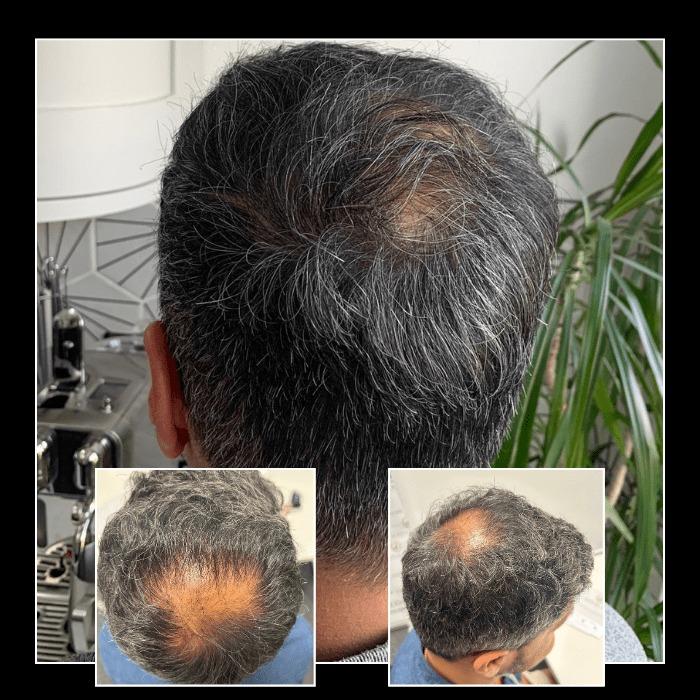
Selecting the right provider is an important part of the process because surgical skill, assessment quality, aftercare, and communication can influence the overall experience. A reputable Hair loss clinic Essex service should explain the proposed technique, expected recovery, possible limitations, and potential complications clearly. Patients should have enough time to ask questions and understand who will perform each stage of treatment. Transparent information is more valuable than exaggerated claims. Reviewing qualifications, consultation practices, before-and-after evidence, and follow-up arrangements can help people make decisions based on suitability rather than marketing pressure.
Recovery and Expected Hair Growth
Recovery is gradual, and transplanted hair does not create a finished appearance immediately after surgery. Redness, swelling, sensitivity, or crusting may occur, while transplanted hairs can shed before new growth begins. Following aftercare instructions supports healing and reduces avoidable problems. A professional Hair loss clinic Essex provider should explain washing, activity restrictions, medication guidance, and follow-up expectations directly. New growth commonly takes months to become noticeable, with fuller maturation requiring time. A Hair loss clinic Essex team can explain milestones. Patience remains essential when judging the final cosmetic outcome accurately.
Creating Natural-Looking Results
The appearance of a successful transplant depends on more than the number of grafts used. Natural-looking results require thoughtful hairline design, appropriate graft distribution, and placement that follows the direction of existing hair. Excessive density is not always necessary, especially when donor resources are limited. Long-term planning is equally important because native hair can continue thinning around transplanted areas. A suitable treatment strategy should therefore consider present appearance and future needs together. This balanced approach can help preserve donor supply while creating an outcome that looks proportionate as the years pass.
Considering Treatment Costs Carefully
Cost can influence treatment decisions, but price alone provides little information about quality or suitability. Fees may vary according to technique, graft requirements, clinician involvement, facilities, and aftercare arrangements. Comparing providers only by advertised packages can overlook important differences in assessment and surgical oversight. It is sensible to understand exactly what the quoted fee includes and whether follow-up care is available. Financing options, where offered, should also be reviewed carefully. A well-informed decision weighs clinical standards, realistic outcomes, personal circumstances, and total treatment value rather than selecting the lowest price.
Making an Informed Final Decision
Hair restoration is a personal decision that benefits from realistic expectations and professional guidance. Transplantation can provide an improvement for suitable candidates, but it cannot guarantee unlimited density or stop every form of future hair loss. A careful consultation should explain both potential benefits and limitations before treatment is scheduled. For people exploring options, capitalhairrestoration.co.uk can be considered as one source of information when researching services. The most reliable choice remains one based on individual assessment, clear communication, appropriate technique, and a recovery plan that supports realistic long-term expectations.


Comments
Post a Comment