Hair Restoration Options for Fuller, Natural-Looking Hair in Essex
A thinning hairline can change more than appearance; it can influence confidence, styling choices, and everyday comfort. Imagine noticing more hair on a pillow each morning or seeing a widening area when looking in the mirror. Such changes can encourage people to explore suitable restoration options. Hair Transplant Essex services have become an important consideration for individuals seeking a lasting approach to visible hair loss. Modern procedures focus on natural-looking results, careful planning, and preserving existing follicles. Understanding how transplantation works can help potential patients make informed decisions based on personal circumstances and realistic expectations.
Why Individual Assessment Matters
Hair loss does not follow exactly the same pattern for everyone. Genetics, age, hormonal influences, lifestyle factors, and existing medical considerations can all affect density and progression. For that reason, a detailed assessment should generally come before deciding whether transplantation is appropriate. During an evaluation, hair density, donor-area strength, hairline shape, and the likely progression of loss can be considered. Hair Transplant Essex consultations can help individuals understand which approach may suit their pattern of thinning. A carefully designed treatment plan can also support balanced results that complement facial proportions and existing hair.
How Transplantation Can Restore Density
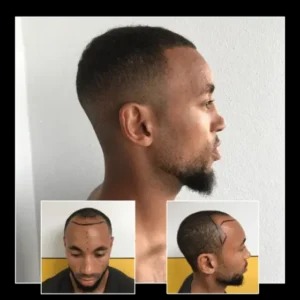
Hair transplantation typically involves moving healthy follicles from a suitable donor area to regions affected by thinning or hair loss. Common techniques include follicular unit extraction, where individual follicular units are removed and placed into prepared recipient areas. The objective is not simply to add as many follicles as possible, but to distribute them strategically for a natural appearance. Factors such as graft direction, angle, spacing, and hairline design can influence the final outcome. Because transplanted follicles require time to establish and grow, patience is an important part of the restoration journey.
Considering Treatment in Brentwood
Location can influence how convenient treatment feels, particularly when consultations and follow-up appointments are involved. For residents around Brentwood and surrounding areas, choosing a nearby provider can make the process easier to manage. A hair transplant Brentwood option may appeal to people who prefer accessible consultations without extensive travel. Convenience, however, should not be the only consideration. Clinical standards, practitioner experience, treatment suitability, aftercare arrangements, and transparent information deserve equal attention. Comparing these factors can help individuals approach hair restoration with greater confidence while maintaining realistic expectations about recovery, growth, and eventual results.
Recovery and Expected Results
Hair transplantation is generally considered a process rather than an instant cosmetic change. After treatment, the scalp may experience temporary redness, sensitivity, or swelling, depending on the individual and procedure. Newly transplanted hairs can also shed during an early phase before new growth develops. This can understandably cause concern, although temporary shedding may form part of the normal progression. A hair transplant Brentwood patient should follow professional aftercare instructions carefully and attend recommended reviews. Visible improvement usually develops gradually, meaning expectations should be based on the natural hair-growth cycle rather than immediate changes.
Choosing a Suitable Hair Restoration Provider
Selecting a provider requires more than comparing advertised prices or promotional photographs. Prospective patients should consider qualifications, consultation standards, previous results, treatment methods, and the quality of information provided before making a decision. A professional consultation should allow sufficient time to discuss goals, donor availability, potential limitations, and expected outcomes. It should also explain whether transplantation is appropriate or whether another approach may be more suitable. Clear communication is particularly valuable because hair restoration involves individual anatomy and long-term planning. A responsible provider should prioritize suitability and patient understanding over unrealistic promises.
Maintaining Realistic Expectations
Successful hair restoration depends on several variables, including the amount of available donor hair, the extent of existing loss, follicle characteristics, and the progression of future thinning. A transplant cannot necessarily recreate the density of adolescence, particularly when significant hair loss has occurred. Instead, the aim is often to improve coverage and create a balanced appearance using available donor resources. Understanding these limitations before treatment can lead to more realistic expectations. Long-term planning may also be important because naturally growing hair can continue thinning even after transplanted follicles have established.
Making an Informed Decision
Choosing hair restoration is a personal decision that benefits from careful research and professional guidance. Anyone considering treatment can begin by understanding the cause and pattern of hair loss, researching appropriate procedures, and arranging a thorough consultation. Questions about recovery, expected growth, risks, maintenance, and suitability should be addressed before committing to treatment. For individuals exploring options in the region, Hair Transplant Essex can represent one pathway toward addressing concerns about thinning hair when transplantation is clinically appropriate. The emphasis should remain on safe planning, natural proportions, realistic outcomes, and informed decision-making.
Conclusion
Hair restoration can provide a practical option for people experiencing noticeable thinning, but achieving a natural-looking outcome depends on appropriate assessment, thoughtful planning, suitable technique, and realistic expectations. Local accessibility can also make consultations and follow-up care easier to manage. For individuals researching treatment providers, capitalhairrestoration.co.uk can be considered as part of the wider process of comparing available information and services. Ultimately, the most suitable approach should reflect individual hair characteristics, donor availability, personal goals, and professional recommendations rather than relying solely on promotional claims or short-term expectations.


Comments
Post a Comment