Restoring Confidence: Smart Choices for Long-Term Hair Loss Solutions
A single glance in the mirror can sometimes spark concern when thinning hair becomes more noticeable than before. Hair loss affects people of different ages and backgrounds, often influencing confidence, appearance, and emotional wellbeing. Understanding the reasons behind hair thinning and the available treatment options makes it easier to approach the situation with realistic expectations. This article explores the causes of hair loss, effective treatment strategies, and the importance of choosing professional guidance while highlighting how informed decisions can support healthier, lasting results.
Understanding the Causes of Hair Loss
Hair loss develops for many different reasons, making accurate diagnosis an essential first step before selecting any treatment. Genetics remain one of the most common causes, but hormonal changes, nutritional deficiencies, stress, medications, and certain medical conditions may also contribute. Seeking advice from a Hair loss clinic Essex allows individuals to receive detailed scalp evaluations, helping identify the underlying cause rather than simply treating visible symptoms. Early assessment often increases the likelihood of preserving existing hair and improving future growth outcomes.
Why Professional Assessment Makes a Difference
Many people attempt home remedies or over-the-counter products before consulting a specialist, yet these approaches often produce inconsistent results because every case is unique. A professional evaluation includes reviewing medical history, examining scalp health, and discussing lifestyle factors that may influence hair growth. Visiting a Hair loss clinic Essex provides access to personalised treatment recommendations based on scientific understanding instead of assumptions. This tailored approach improves treatment planning and helps individuals develop realistic expectations throughout their restoration journey with greater confidence.
Exploring Modern Hair Restoration Treatments
Advancements in medical technology have transformed hair restoration into a field offering numerous effective solutions beyond traditional methods. Depending on diagnosis, treatment plans may include prescription medication, platelet-rich plasma therapy, low-level laser therapy, nutritional improvements, or minimally invasive procedures. Some individuals respond well to non-surgical techniques, while others require more advanced interventions. Selecting the most suitable option depends on age, hair density, donor hair quality, and long-term goals rather than following trends or relying on generic treatment recommendations.
Understanding Hair Transplant Procedures
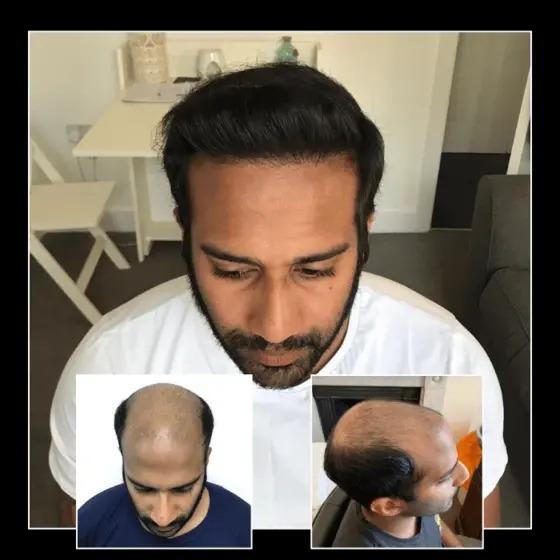
Modern surgical techniques have significantly improved the appearance of transplanted hair by creating natural-looking density and hairline design. During consultation, specialists evaluate donor hair availability and determine whether follicular unit extraction or follicular unit transplantation offers better suitability. Choosing Hair Transplant Essex after careful assessment ensures the procedure matches individual expectations while preserving healthy donor follicles for optimal coverage. Recovery typically progresses gradually, allowing transplanted follicles to establish growth naturally over several months with appropriate aftercare and regular follow-up appointments.
Setting Realistic Expectations for Results
Hair restoration requires patience because natural hair growth follows biological cycles that cannot be accelerated dramatically. Individuals considering Hair Transplant Essex should understand that visible improvement generally develops gradually, with meaningful changes appearing over several months before reaching final maturity. Temporary shedding after treatment can occur and is often considered part of the normal healing process. Maintaining healthy habits, following medical advice, and attending scheduled reviews contribute significantly to achieving stable, satisfying, and natural-looking long-term outcomes.
Maintaining Healthy Hair After Treatment
Successful treatment extends beyond the clinic because long-term maintenance plays an important role in preserving healthy hair growth. Balanced nutrition, effective stress management, gentle hair care routines, and protection against excessive heat or chemical damage all support stronger follicles. Following personalised medical recommendations consistently helps maximise treatment benefits while reducing unnecessary strain on the scalp. Routine monitoring also enables specialists to identify changes early, making timely adjustments that improve ongoing hair health and maintain satisfying cosmetic results for many years.
Conclusion
Hair restoration continues to evolve through medical innovation, providing reliable solutions for individuals experiencing different forms of hair loss. Understanding the underlying cause, selecting evidence-based treatments, and maintaining realistic expectations all contribute to successful outcomes and greater confidence. Reliable professional guidance remains one of the most valuable parts of this journey, and capitalhairrestoration.co.uk offers information that may help individuals explore suitable options. Careful planning and informed decision-making create the strongest foundation for achieving healthier hair and long-lasting, natural-looking results.


Comments
Post a Comment