Unlocking Faster Muscle Renewal for Peak Athletic Performance
The Modern Athlete’s Challenge of Recovery
In today’s competitive sports world, training hard is only half the battle. True progress happens during recovery, when the body repairs microscopic muscle damage and rebuilds stronger tissue. Many athletes struggle with soreness, stiffness, and lingering fatigue that slow their progress and increase their risk of injury. As scientific research has advanced, so have recovery methods. Ice baths, massage therapy, stretching routines, and sleep optimization are now common practices. Among these evolving techniques, compression-based recovery has emerged as one of the most effective and accessible tools for anyone serious about improving physical performance.
Understanding How Compression Technology Works
Compression technology works by applying controlled pressure to specific areas of the body, commonly the legs, hips, or arms. This pressure mimics the natural muscle pump that occurs during movement, stimulating better blood circulation even while the athlete is at rest. When circulation improves, oxygen and nutrient delivery to tired muscles increases, while waste products such as lactic acid are flushed out more efficiently.
The result is a noticeable reduction in muscle soreness, swelling, and heaviness. Unlike traditional passive recovery methods, compression actively assists the body’s natural repair processes. This is where the concept of Sports Recovery Compression becomes especially valuable. By using rhythmically pulsing pressure, athletes can accelerate recovery in a way that feels relaxing while delivering measurable physical benefits.
The Rising Popularity of Recovery Boots in Training Culture
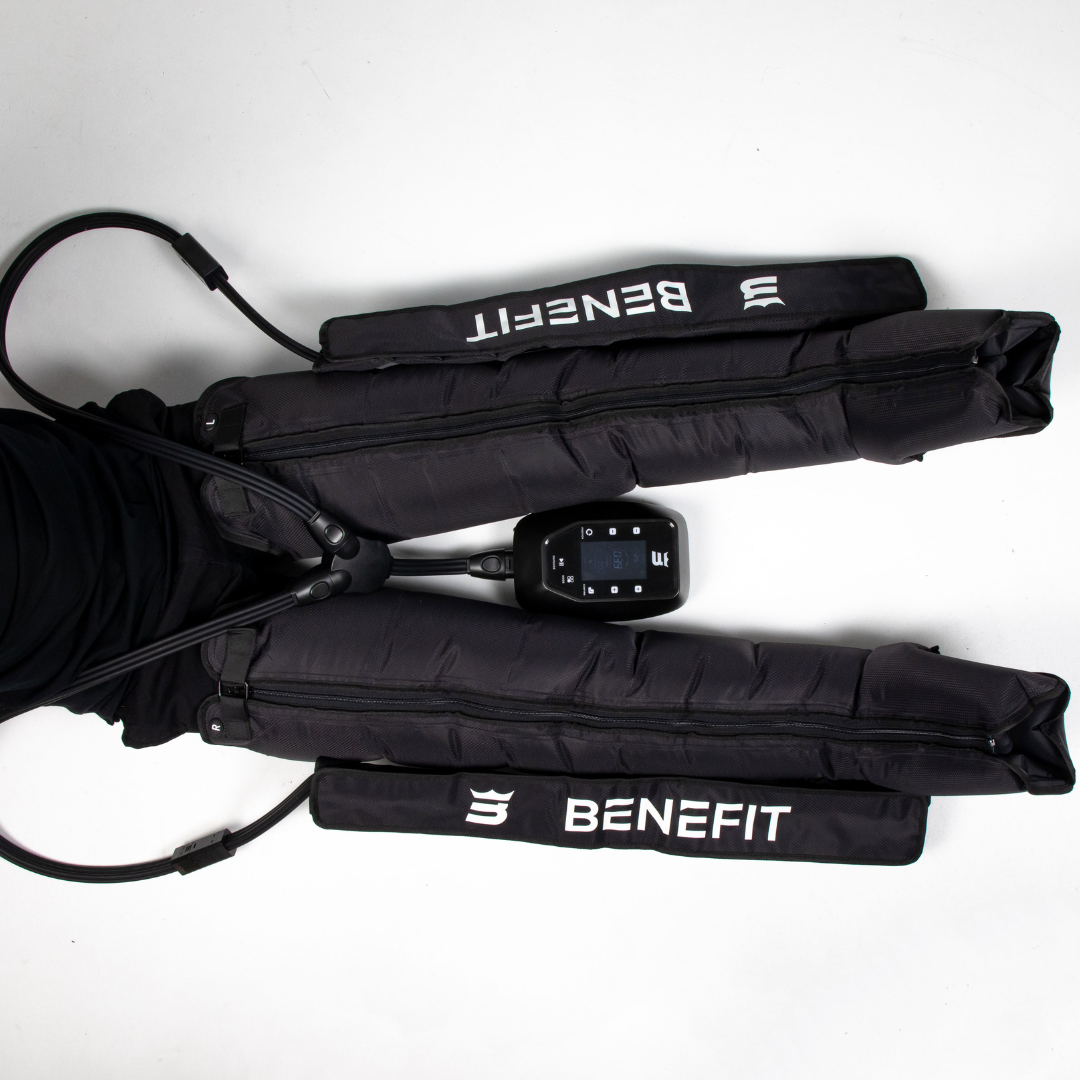
Over the last decade, recovery-focused equipment has shifted from elite training centers into home gyms and personal training spaces. One of the most talked-about innovations in this area is the use of Compression Recovery Boots. These specialized wearable devices wrap around the legs and inflate in a sequence that simulates upward-moving pressure. This sequential compression is designed to encourage blood and lymphatic flow back toward the heart.
Athletes report that regular use of this technology can significantly reduce delayed onset muscle soreness, making it easier to maintain consistent training schedules. Runners often use them after long-distance sessions, while strength athletes turn to them after heavy lifting days. Even recreational fitness enthusiasts now view this technology as an essential part of a smart, sustainable workout routine.
Psychological Benefits of Structured Recovery
Recovery is not only physical; it is deeply mental as well. When athletes dedicate structured time to recovery, they experience a sense of control and ritual that improves motivation and consistency. The calm, rhythmic sensation of compression therapy promotes relaxation, reduces stress hormones, and can improve sleep quality. A relaxed nervous system supports faster healing and better overall performance.
This mental reset is often overlooked, yet it plays a major role in preventing burnout. Athletes who prioritize recovery are more likely to maintain long-term training habits, avoid overtraining syndrome, and enjoy their sport for longer periods of time. Structured recovery sessions can also increase body awareness, helping individuals understand their physical limits more clearly.
How Recovery Techniques Support Injury Prevention
Injury prevention is one of the most compelling reasons athletes adopt advanced recovery methods. Tight, fatigued muscles are more prone to strains, pulls, and tears. By enhancing circulation and reducing lingering tension, compression-based recovery helps maintain muscle elasticity and joint mobility.
Regular use of these techniques can also reduce total inflammation in the body. Lower inflammation leads to healthier tendons and ligaments, stronger connective tissue, and improved movement patterns. This creates a protective effect that allows athletes to train harder while minimizing unnecessary risks.
Integrating Compression Into a Balanced Routine
For best results, compression recovery should not replace other recovery habits, but complement them. Hydration, balanced nutrition, mobility work, and quality sleep remain foundational. When added to this foundation, compression-based methods can significantly amplify overall recovery efficiency.
Many athletes find that using compression after intense workouts or long competitions helps them feel physically lighter and more mobile the next day. This creates a positive feedback loop: faster recovery leads to more consistent training, which in turn leads to better performance outcomes.
The Future of Athletic Recovery
As sports science continues to evolve, recovery is gaining the recognition it deserves. What was once seen as an optional luxury is now considered a critical part of any serious training program. Compression technology is at the forefront of this shift, offering a practical, time-efficient way to support the body’s natural healing systems.
Future developments are likely to make these tools even more accessible, comfortable, and customizable. Personalized pressure settings, smart sensors, and app-guided recovery protocols are becoming more common, signaling a future where recovery is as data-driven as training itself.
Final Thoughts on Smarter Recovery Strategies
Athletic success is not built only on hard work, but on smart recovery choices. By embracing modern methods that actively support circulation, reduce soreness, and promote mental relaxation, athletes can extend their longevity and elevate their performance. Compression-based recovery represents a powerful bridge between effort and results, helping the body rebuild faster and stronger after every challenge.
Comments
Post a Comment