Transforming Remote Care Through Intelligent Medical Technology
The Expanding Horizon of Digital Healthcare
Digital healthcare has undergone a remarkable evolution in recent years, shifting from a supportive role to becoming a central pillar of medical practice. This transformation is especially significant in remote communities, where access to doctors, diagnostic facilities and emergency support is often limited. As technology advances, new solutions are emerging that bring high-quality care closer to underserved populations. One of the most influential innovations driving this progress is the telemedicine device for rural healthcare delivery, a tool designed to bridge distances and enable timely medical intervention. Its impact is reshaping not only how patients interact with caregivers but also how health systems plan their outreach programs.
Bridging Distance with Connected Medical Tools
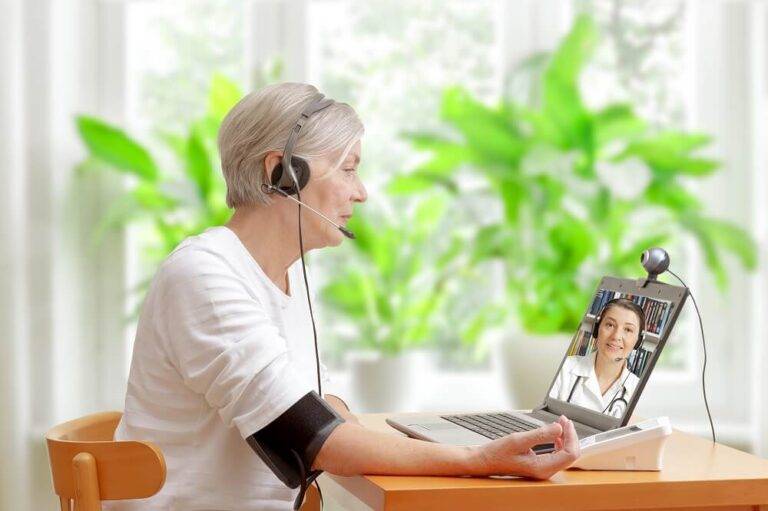
Access to medical expertise remains a major challenge in remote regions. Long travel hours, harsh terrain and limited infrastructure frequently delay diagnosis and treatment. Connected medical tools now serve as lifelines that reduce the need for physical visits while maintaining the accuracy of care. These systems transmit real-time information to healthcare professionals who can evaluate symptoms, review vital signs and suggest immediate measures. This shift to virtual support is creating an ecosystem in which patients feel more empowered and protected.
Through continuous connectivity and interactive interfaces, remote consultations are becoming smoother and more reliable. Healthcare workers stationed in distant villages can now collaborate with specialists located far away, ensuring that no patient is left waiting for critical help. This model not only accelerates medical decisions but also enhances the overall quality of community health programs.
Advancing Early Detection Through Modern Diagnostics
Early detection has always been a decisive factor in improving treatment outcomes. In many rural environments, however, the lack of advanced testing facilities means diseases often go unnoticed until they become severe. The introduction of compact diagnostic technologies is dramatically changing this pattern. Among the most effective tools is the diagnostic medical kiosk for multi-parameter testing, a system that performs several essential tests within minutes. Its ability to analyze multiple health indicators simultaneously allows caregivers to quickly identify irregularities and act before conditions worsen.
These kiosks are designed to be user-friendly and accessible to individuals with minimal medical knowledge. By simplifying complex testing procedures, they empower communities to take control of their health while reducing dependence on distant laboratories. For healthcare teams, the ability to obtain accurate results quickly helps streamline treatment plans and improve patient follow-ups.
Empowering Rural Communities Through Technological Inclusion
The integration of digital medical solutions into rural settings goes beyond the delivery of care. It fosters a culture of awareness, prevention and proactive health management. When individuals see that high-quality diagnostic support is available within their locality, they become more willing to seek assistance at early stages. This shift contributes to a stronger, healthier and more informed population.
Local health workers also benefit significantly. With access to better equipment and remote medical guidance, they gain confidence and capability, which enhances their role within the community. Over time, these improvements help build more sustainable healthcare infrastructures that can adapt to evolving challenges.
Reducing the Burden on Overstretched Healthcare Facilities
Urban hospitals frequently experience overcrowding, partly due to patients traveling long distances for basic consultations or routine tests. Digital health tools relieve this pressure by addressing minor health concerns at the community level. When common issues are managed locally using remote consultations and automated diagnostic kiosks, major hospitals can focus more effectively on complex and emergency cases.
This redistribution of care also reduces financial strain for rural families who otherwise spend considerable time and money on travel. By minimizing unnecessary hospital visits, digital medical systems help create a more efficient and equitable healthcare environment for all.
The Future Landscape of Remote Medical Support
The continued advancement of intelligent healthcare technologies hints at an even more connected future. Innovations in artificial intelligence, cloud computing and sensor-based monitoring are paving the way for seamless, integrated medical networks. As these developments accelerate, rural communities will experience increasingly personalized and responsive care.
In the coming years, digital devices will likely become central to preventive healthcare strategies. With real-time notifications, continuous monitoring and instant access to professional advice, patients will be able to manage chronic conditions more effectively and reduce the risk of complications.
A New Era of Accessible and Reliable Healthcare
The evolution of virtual care and portable diagnostics signals a turning point for global health. Remote communities, once overlooked due to logistical constraints, now stand at the forefront of technological progress. By embracing innovative tools that connect patients with experts and provide rapid diagnostic support, healthcare systems can overcome long-standing barriers.
This new era emphasizes fairness, inclusivity and efficiency. It ensures that every individual, regardless of their location, has access to timely and dependable medical care. As digital technologies continue to refine their capabilities, the possibilities for improved wellbeing become limitless.
Comments
Post a Comment